
SRE Course with Placement: SRE Course in Mumbai
Job-Ready SRE & DevOps Engineer in 4 months
Hands-on Classroom Program | Microsoft Collaboration | 100% Placement Assistance
Our Alumni Leading the Digital World

Shriharsh Gaikwad


Saad Shaikh


Anushka Gaikwad


Ganesh Chaudhary


Rahul Saini


Rahul Sharma


Priya Patel


Sneha Singh


Neha Agrawal

PG in SRE & DevOps Engineering
Our DevOps Engineering program is designed with industry experts to make you job-ready. Gain hands-on experience, build live projects, and master the latest tools used by top IT companies. Here’s what you’ll master!
Module 1: Introduction to DevOps
- Lesson 1: What is DevOps?
- Overview of DevOps
- History and evolution
- Key principles and practices
- Lesson 2: DevOps Culture
- Collaboration and communication
- DevOps values and mindset
- Case studies of successful DevOps implementations
- Lesson 3: DevOps Tools Overview
- Commonly used DevOps tools
- Categories of DevOps tools (CI/CD, Configuration Management, etc.)
- Introduction to toolchains
Module 2: Version Control with Git
- Lesson 1: Introduction to Git
- What is Git?
- Setting up Git
- Basic Git commands
- Lesson 2: Working with Repositories
- Creating and cloning repositories
- Branching and merging
- Managing pull requests
- Lesson 3: Advanced Git
- Rebasing and squashing commits
- Handling merge conflicts
- Git workflows (GitFlow, GitHub Flow, etc.)
Module 3: Continuous Integration (CI)
- Lesson 1: Introduction to CI
- What is CI?
- Benefits of CI
- CI best practices
- Lesson 2: CI Tools
- Overview of CI tools (Jenkins, GitLab CI, CircleCI, etc.)
- Setting up a CI pipeline
- Configuring builds and tests
- Lesson 3: Advanced CI
- Parallel builds
- Integrating CI with code quality tools
- Notifications and reporting
Module 4: Continuous Deployment/Continuous Delivery (CD)
- Lesson 1: Introduction to CD
- What is CD?
- Difference between Continuous Deployment and Continuous Delivery
- Benefits and challenges
- Lesson 2: CD Tools and Practices
- Overview of CD tools (Jenkins, GitLab CI, Spinnaker, etc.)
- Setting up a CD pipeline
- Blue-green deployments and canary releases
- Lesson 3: Advanced CD
- Rollbacks and versioning
- Integrating CD with monitoring tools
- Security and compliance in CD
Module 5: Configuration Management
- Lesson 1: Introduction to Configuration Management
- What is configuration management?
- Importance and benefits
- Key tools (Ansible, Puppet, Chef, etc.)
- Lesson 2: Ansible Basics
- Setting up Ansible
- Writing Ansible playbooks
- Managing inventory and hosts
- Lesson 3: Advanced Ansible
- Roles and variables
- Ansible Galaxy
- Troubleshooting and best practices
Module 6: Containerization and Orchestration
- Lesson 1: Introduction to Containers
- What are containers?
- Benefits of containerization
- Docker basics
- Lesson 2: Docker in Depth
- Dockerfile and images
- Docker Compose
- Managing containers
- Lesson 3: Container Orchestration with Kubernetes
- Introduction to Kubernetes
- Kubernetes architecture
- Deploying applications on Kubernetes
- Lesson 4: Advanced Kubernetes
- Helm charts
- Kubernetes networking and storage
- Monitoring and logging in Kubernetes
Module 7: Infrastructure as Code (IaC)
- Lesson 1: Introduction to IaC
- What is IaC?
- Benefits of IaC
- Key tools (Terraform, CloudFormation, etc.)
- Lesson 2: Terraform Basics
- Setting up Terraform
- Writing Terraform configurations
- Managing infrastructure with Terraform
- Lesson 3: Advanced Terraform
- Terraform modules
- State management
- Working with multiple providers
Module 8: Monitoring and Logging
- Lesson 1: Introduction to Monitoring and Logging
- Importance of monitoring and logging
- Key metrics and logs to monitor
- Tools overview (Prometheus, Grafana, ELK Stack, etc.)
- Lesson 2: Setting Up Monitoring
- Installing and configuring Prometheus
- Visualizing metrics with Grafana
- Setting up alerts
- Lesson 3: Centralized Logging
- Introduction to the ELK Stack
- Configuring Elasticsearch, Logstash, and Kibana
- Log aggregation and analysis
Module 9: Security in DevOps
- Lesson 1: Introduction to DevSecOps
- What is DevSecOps?
- Integrating security into the DevOps pipeline
- Common security practices
- Lesson 2: Security Tools and Practices
- Static code analysis tools
- Dependency management and vulnerability scanning
- Secrets management
- Lesson 3: Advanced Security
- Container security best practices
- Infrastructure security
- Continuous compliance and auditing
Module 10: Cloud Providers and Services
- Lesson 1: Introduction to Cloud Computing
- What is cloud computing?
- Cloud service models (IaaS, PaaS, SaaS)
- Key cloud providers (AWS, Azure, GCP)
- Lesson 2: AWS Fundamentals
- AWS core services (EC2, S3, RDS, etc.)
- Setting up and managing AWS infrastructure
- AWS CLI and SDKs
- Lesson 3: Advanced AWS
- AWS Lambda and serverless computing
- Managing security and compliance in AWS
- Cost optimization
Module 11: Soft Skills and Career Preparation
- Lesson 1: Communication and Collaboration
- Effective communication in a DevOps environment
- Collaboration tools and practices
- Conflict resolution
- Lesson 2: Problem Solving and Troubleshooting
- Approaches to problem solving
- Troubleshooting common DevOps issues
- Case studies and real-world scenarios
- Lesson 3: Resume Building and Interview Preparation
- Building a DevOps resume
- Preparing for DevOps interviews
- Common DevOps interview questions
Co-Designed & Co-Certified by Industry Leaders











Key Program Highlights
Taught by Experts, Led by Industry Leaders
With a blend of experienced trainers and guest mentors from IT companies, our DevOps program gives you real-world exposure.

- 8+ years
Priyanka Gawada
DevOps Specialist
Ex-CITIUSTECH HEALTHCARE TECHNOLOGY PRIVATE LTD, Current: Masket
Expertise
- FULL STACK IN JAVA
- MEAN STACK
- MERN STACK
- AWS CLOUD
- DEVOPS
Certifications
- AWS Certified Solutions Architect
- CKA: Kubernetes
- DevOps Master
Led enterprise DevOps upskilling programs for over 5 years. Specialist in Cloud Migration, Automation, and CI/CD Pipeline deployment and optimization.

- 15+ years
Amit Mishra
Multi Cloud and Hybrid Solution architect
Ex-Deloitte , Current: Cloudera
Expertise
- AWS (Advanced)
- Azure
- Kubernetes (CKAD/CKS)
- Docker
- Terraform
- CloudFormation
- Jenkins
- GitLab CI
- Ansible
- Prometheus
- Grafana
- Splunk
Certifications
- AWS Certified DevOps Engineer - Professional
- Certified Kubernetes Administrator (CKA)
- HashiCorp Certified: Terraform Associate
A seasoned professional with deep expertise in designing and deploying large-scale, resilient, and automated cloud infrastructure. Specializes in DevOps transformation, microservices migration, and developing robust security standards for global enterprises.

- 10+ years
Yogesh Devpura
Senior Manager - DevOps and Cloud Engineering
Ex-HCL, Current:Icici Securities Limited
Expertise
- AWS
- GCP (Google Cloud Platform)
- Puppet
- Chef
- Ansible
- Jenkins
- Azure DevOps
- SonarQube
- Docker
- Kubernetes
- Shell Scripting
- Python
Certifications
- Certified Kubernetes Administrator (CKA)
- Professional Cloud DevOps Engineer (GCP)
- Certified Jenkins Engineer
A Cloud and DevOps leader focused on enterprise-scale delivery, specializing in infrastructure automation, continuous integration, and implementing scalable, secure cloud strategies.
Discover Exactly What You’ll Learn
DevOps & SRE Course Projects
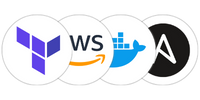
Infrastructure Automation at Scale
Automate provisioning EC2 servers on AWS with Terraform and automate deploying dockerized applications with docker-compose using Ansible by taking advantage of AWS dynamic inventory.
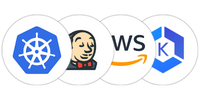
Production Grade CI/CD with K8s
Deploying to Kubernetes cluster on EKS from a complete CI/CD pipeline with automatic triggering, dynamic versioning for new docker application image.
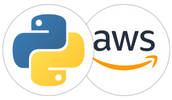
App Monitoring & Recovery
Write an automated script in Python for monitoring a web application. Notifying about the status and recovering the application if not accessible.
CI/CD with Docker Compose
Deploy to AWS EC2 using docker compose from a complete CI/CD pipeline with automatic versioning, building a docker image.


Monitoring & Alerting in K8s cluster
Configure a K8s cluster with Prometheus monitoring and alerting. Deploy a web application inside the cluster with its dependent services and configure monitoring for it.
Dockerize Application Pipeline
Dockerize an application, set up a private Docker registry on Nexus for saving Need H the images and setup an end to end CI/CD pipeline to deploy the application.

Deploy Microservices App to K8s cluster
Deploying a Microservices Application into K8s cluster with Production & Security Best Practices.
Master DevOps Tools That Run the Industry







Frequently Asked Questions
Here are honest answers to the most common questions about our program and placement process.
What does the SRE course at DevOps Institute Mumbai cover?
The program covers site reliability engineering fundamentals alongside core DevOps tooling – Linux, Git, CI/CD with Jenkins, Docker, Kubernetes, Terraform, Ansible, and monitoring/alerting with Prometheus and Grafana – taught through hands-on labs at our Thane campus.
What is the difference between a DevOps Engineer and an SRE role, and does this course prepare me for both?
DevOps focuses on unifying development and operations through automation, while SRE applies software engineering practices specifically to reliability, incident response, and monitoring at scale. Our curriculum trains for both career paths – several alumni, including Varun Mehta (Wipro) and Saad Shaikh (RevSure AI), moved directly into SRE roles after completing the program.
Who should take this SRE course — freshers or experienced professionals?
The course accepts both freshers and working professionals, a basic understanding of Linux and scripting is helpful but not mandatory, since the curriculum builds these fundamentals from the ground up.
What tools will I learn in the SRE track?
Git, Jenkins, Docker, Kubernetes, Terraform, Ansible, Prometheus, Grafana, and the ELK stack, taught across AWS, Azure, and GCP environments by mentors with CKA and AWS DevOps Engineer Professional certifications.
Does the SRE course include real, hands-on projects?
Yes — projects include configuring a Kubernetes cluster with Prometheus monitoring and alerting, deploying production-grade CI/CD pipelines to EKS, and building automated application monitoring/recovery scripts — the same live-project model used across our DevOps programs.
Is this course suitable for students from CS backgrounds with 0 experience?
Absolutely! Our program is designed for beginners and career changers. We start from the basics and build up your skills systematically. Many of our most successful graduates had zero DevOps experience when they started.
Does the SRE course include placement assistance?
- Yes — our placement support includes resume building, mock interviews, and referrals to our 400+ hiring partner network, which has placed graduates at TCS, Infosys, Wipro, Accenture, IBM, Amazon, and Microsoft, with a 93% placement rate.
Who are the mentors for the SRE program?
Mentors include senior cloud and DevOps professionals with 8–15+ years of experience from companies like Deloitte, HCL, and Cloudera, holding certifications including AWS Certified DevOps Engineer Professional and Certified Kubernetes Administrator (CKA).
Where is the SRE course held, and is an online option available?
Classes are held at our Thane campus in Mumbai; contact us to check current availability for live-online batches for students outside the Mumbai/Thane region.
What projects will I work on during the SRE course?
Students work on real-time projects like deploying web apps with CI/CD pipelines, automating servers using Ansible/Puppet, containerizing applications with Docker & Kubernetes, and deploying on cloud platforms like AWS, Azure, or GCP. These projects build practical skills and prepare you for technical interviews.
Why is SRE in high demand in Mumbai?
Mumbai’s IT sector is growing rapidly with startups and enterprises moving to cloud and automation. Companies need SRE & DevOps engineers for continuous integration, deployment, and monitoring, making it a high-paying and future-proof career.