
Cloud Computing Course in Mumbai
Kickstart your career with Mumbai’s top DevOps and Cloud Computing Course in Mumbai. Master tools like Docker, Kubernetes, AWS, Jenkins, and Terraform with hands-on projects and expert mentorship.
4-6 Month Program | 100% Placement Support | Mircosoft Certified
#1
DevOps & Cloud Institute in Mumbai




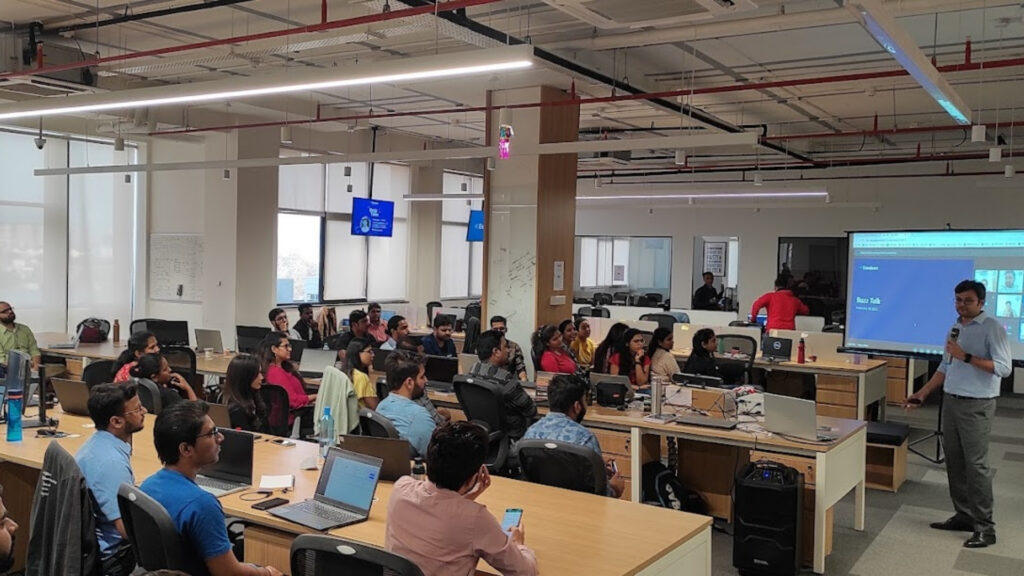
DevOps & Cloud Course Curriculum
From fundamentals to advanced strategies, learn what the industry demands.
Module 1: Introduction to DevOps
- Lesson 1: What is DevOps?
- Overview of DevOps
- History and evolution
- Key principles and practices
- Lesson 2: DevOps Culture
- Collaboration and communication
- DevOps values and mindset
- Case studies of successful DevOps implementations
- Lesson 3: DevOps Tools Overview
- Commonly used DevOps tools
- Categories of DevOps tools (CI/CD, Configuration Management, etc.)
- Introduction to toolchains
Module 2: Version Control with Git
- Lesson 1: Introduction to Git
- What is Git?
- Setting up Git
- Basic Git commands
- Lesson 2: Working with Repositories
- Creating and cloning repositories
- Branching and merging
- Managing pull requests
- Lesson 3: Advanced Git
- Rebasing and squashing commits
- Handling merge conflicts
- Git workflows (GitFlow, GitHub Flow, etc.)
Module 3: Continuous Integration (CI)
- Lesson 1: Introduction to CI
- What is CI?
- Benefits of CI
- CI best practices
- Lesson 2: CI Tools
- Overview of CI tools (Jenkins, GitLab CI, CircleCI, etc.)
- Setting up a CI pipeline
- Configuring builds and tests
- Lesson 3: Advanced CI
- Parallel builds
- Integrating CI with code quality tools
- Notifications and reporting
Module 4: Continuous Deployment/Continuous Delivery (CD)
- Lesson 1: Introduction to CD
- What is CD?
- Difference between Continuous Deployment and Continuous Delivery
- Benefits and challenges
- Lesson 2: CD Tools and Practices
- Overview of CD tools (Jenkins, GitLab CI, Spinnaker, etc.)
- Setting up a CD pipeline
- Blue-green deployments and canary releases
- Lesson 3: Advanced CD
- Rollbacks and versioning
- Integrating CD with monitoring tools
- Security and compliance in CD
Module 5: Configuration Management
- Lesson 1: Introduction to Configuration Management
- What is configuration management?
- Importance and benefits
- Key tools (Ansible, Puppet, Chef, etc.)
- Lesson 2: Ansible Basics
- Setting up Ansible
- Writing Ansible playbooks
- Managing inventory and hosts
- Lesson 3: Advanced Ansible
- Roles and variables
- Ansible Galaxy
- Troubleshooting and best practices
Module 6: Containerization and Orchestration
- Lesson 1: Introduction to Containers
- What are containers?
- Benefits of containerization
- Docker basics
- Lesson 2: Docker in Depth
- Dockerfile and images
- Docker Compose
- Managing containers
- Lesson 3: Container Orchestration with Kubernetes
- Introduction to Kubernetes
- Kubernetes architecture
- Deploying applications on Kubernetes
- Lesson 4: Advanced Kubernetes
- Helm charts
- Kubernetes networking and storage
- Monitoring and logging in Kubernetes
Module 7: Infrastructure as Code (IaC)
- Lesson 1: Introduction to IaC
- What is IaC?
- Benefits of IaC
- Key tools (Terraform, CloudFormation, etc.)
- Lesson 2: Terraform Basics
- Setting up Terraform
- Writing Terraform configurations
- Managing infrastructure with Terraform
- Lesson 3: Advanced Terraform
- Terraform modules
- State management
- Working with multiple providers
Module 8: Monitoring and Logging
- Lesson 1: Introduction to Monitoring and Logging
- Importance of monitoring and logging
- Key metrics and logs to monitor
- Tools overview (Prometheus, Grafana, ELK Stack, etc.)
- Lesson 2: Setting Up Monitoring
- Installing and configuring Prometheus
- Visualizing metrics with Grafana
- Setting up alerts
- Lesson 3: Centralized Logging
- Introduction to the ELK Stack
- Configuring Elasticsearch, Logstash, and Kibana
- Log aggregation and analysis
Module 9: Security in DevOps
- Lesson 1: Introduction to DevSecOps
- What is DevSecOps?
- Integrating security into the DevOps pipeline
- Common security practices
- Lesson 2: Security Tools and Practices
- Static code analysis tools
- Dependency management and vulnerability scanning
- Secrets management
- Lesson 3: Advanced Security
- Container security best practices
- Infrastructure security
- Continuous compliance and auditing
Module 10: Cloud Providers and Services
- Lesson 1: Introduction to Cloud Computing
- What is cloud computing?
- Cloud service models (IaaS, PaaS, SaaS)
- Key cloud providers (AWS, Azure, GCP)
- Lesson 2: AWS Fundamentals
- AWS core services (EC2, S3, RDS, etc.)
- Setting up and managing AWS infrastructure
- AWS CLI and SDKs
- Lesson 3: Advanced AWS
- AWS Lambda and serverless computing
- Managing security and compliance in AWS
- Cost optimization
Module 11: Soft Skills and Career Preparation
- Lesson 1: Communication and Collaboration
- Effective communication in a DevOps environment
- Collaboration tools and practices
- Conflict resolution
- Lesson 2: Problem Solving and Troubleshooting
- Approaches to problem solving
- Troubleshooting common DevOps issues
- Case studies and real-world scenarios
- Lesson 3: Resume Building and Interview Preparation
- Building a DevOps resume
- Preparing for DevOps interviews
- Common DevOps interview questions
Co-Designed & Co-Certified by Industry Leaders














Key Program Highlights
These topics are part of DevOps Institute Mumbai comprehensive curriculum and are shared across our Postgraduate DevOps Engineering Courses
Inspired by these Journeys? Start Yours
Career Transitions Of DevOps Institute Mumbai Alumni
Join our proven DevOps program and unlock your dream tech career with hands-on training, expert mentors, and 100% placement support.

Sajag Porwal

Junior Developer
Local IT Company
DevOps Engineer
Sales Force

Purva Mishra

Manual Tester
Testing Services

Cloud Engineer
Master Card
The mentors taught me exactly what hiring managers look for. I went from 0 interviews to 5 job offers in my first month of job search. The transition from manual testing to DevOps seemed impossible, but the structured curriculum and personal guidance made it achievable.

Saad Shaikh

Student
College Graduate
Site Reliability Engineer
RevSure AI
As a fresh graduate with no industry experience, I was worried about competing with experienced professionals. This program not only taught me technical skills but also how to present myself professionally. The mock interviews and resume guidance were game-changers.

Anushka Gaikwad

Operations Executive
Banking Sector

DevOps Analyst
Timespro
Coming from a non-technical background, I thought DevOps was out of reach. The instructors broke down complex concepts into digestible parts and provided continuous support. The career transition seemed daunting, but the structured approach made it smooth and achievable.

Ganaram Chaudhary

Technical Support
IT Support

Cloud Operations Engineer
Iron Mountain
I was stuck in support roles for years with no clear path forward. This program opened doors I didn’t even know existed. The industry connections and direct placement support helped me skip the usual job hunting struggle and land a role that truly utilizes my potential.

Shriharsh Gaikwad

Full Stack Developer
Startup
DevOps Consultant
engagely.ai
The transition from development to DevOps required understanding infrastructure and operations deeply. The hands-on labs and real-world projects provided exactly that experience. The mentorship from industry experts gave me insights I couldn’t get anywhere else.
Inspired by these Journeys?
Start Yours
Our Alumni work with Brands Like







Explore our Learner’s Journey

Rahul Sharma
DevOps Engineer at TCS
Mumbai
Before: ₹3.5 LPA
143% increase
Now: ₹8.5 LPA
“After 8 months of rejections, I got 3 offers in 2 weeks after completing this program. The placement support is incredible.”

Roshni Ahuja
Cloud Engineer at Infosys
Mumbai
Before: ₹4 LPA
130% increase
Now: ₹9.2 LPA
“The mentors taught me exactly what hiring managers look for. I went from 0 interviews to 5 job offers in my first month of job search.”

Varun Mehta
Site Reliability Engineer at Wipro
Mumbai
Before: ₹5 LPA
140% increase
Now: ₹12 LPA
“I was stuck at ₹5 LPA for 2 years. The industry insights and real project experience helped me break into a senior role immediately.”
Inspired by these Journeys? Start Yours
Core Skills You Will Master

Cloud Computing
AWS, Microsoft Azure, GCP

CI/CD & Automation
Jenkis, GitLab CI, Azure DevOps

Version Control
Git/Github
The Tech Industry Moves Fast. We Help You Move Faster.
- Hands-on Training with real-time cloud labs
- Portfolio Projects to showcase your skills
- Industry-Relevant Skills built for today's IT market
- Expert Mentorship from DevOps professional
- Peer Learning & Live Interaction for faster growth
- Latest Tools - Docker, Kubernetes, Jenkins, AWS
- Real-World Insights from working engineers
Get Certified by Cloud & DevOps Experts
Earn a globally recognized DevOps certification powered by cloud professionals-build a strong portfolio that stands out to employers.

Case Study Image and Content
DevOps Interview & Placement Bootcamp
Crack your dream role with mock interviews, resume workshops, and recruiter sessions form top IT companies in Mumbai.
Guaranteed Internship & Mentorship Program
Get a guaranteed internship with live projects guided by industry mentors and boost your career with real DevOps exposure.


6,600
Searching for “Digital Marketing Courses in Mumbai” per month
36,000+
Digital marketing job opportunities available in Mumbai
Why Should We Do a Digital Marketing Course in Mumbai?
- 100% Guaranteed Placements secures your career with top tech companies.
- Learn directly from Current Industry Architects, not just academics.
- Master Job-Ready Skills by building a portfolio of Live, Enterprise Projects.
- Graduate with Official Certifications from giants like AWS and Kubernetes (CNCF).
- Curriculum simplifies complex topics like Terraform and CI/CD for fast mastery.
- Gain Full Stack DevOps expertise, including advanced Cloud Security and Automation.
Meet the Trainers
Gain personalised guidance from seasoned industry professionals from top brands and agencies in Mumbai and internationally.

- 8+ years
Priyanka Gawada
DevOps Specialist
Ex-CITIUSTECH HEALTHCARE TECHNOLOGY PRIVATE LTD, Current: Masket
Expertise
- FULL STACK IN JAVA
- MEAN STACK
- MERN STACK
- AWS CLOUD
- DEVOPS
Certifications
- AWS Certified Solutions Architect
- CKA: Kubernetes
- DevOps Master
Led enterprise DevOps upskilling programs for over 5 years. Specialist in Cloud Migration, Automation, and CI/CD Pipeline deployment and optimization.

- 15+ years
Amit Mishra
Multi Cloud and Hybrid Solution architect
Ex-Deloitte , Current: Cloudera
Expertise
- AWS (Advanced)
- Azure
- Kubernetes (CKAD/CKS)
- Docker
- Terraform
- CloudFormation
- Jenkins
- GitLab CI
- Ansible
- Prometheus
- Grafana
- Splunk
Certifications
- AWS Certified DevOps Engineer - Professional
- Certified Kubernetes Administrator (CKA)
- HashiCorp Certified: Terraform Associate
A seasoned professional with deep expertise in designing and deploying large-scale, resilient, and automated cloud infrastructure. Specializes in DevOps transformation, microservices migration, and developing robust security standards for global enterprises.

- 10+ years
Yogesh Devpura
Senior Manager - DevOps and Cloud Engineering
Ex-HCL, Current:Icici Securities Limited
Expertise
- AWS
- GCP (Google Cloud Platform)
- Puppet
- Chef
- Ansible
- Jenkins
- Azure DevOps
- SonarQube
- Docker
- Kubernetes
- Shell Scripting
- Python
Certifications
- Certified Kubernetes Administrator (CKA)
- Professional Cloud DevOps Engineer (GCP)
- Certified Jenkins Engineer
A Cloud and DevOps leader focused on enterprise-scale delivery, specializing in infrastructure automation, continuous integration, and implementing scalable, secure cloud strategies.
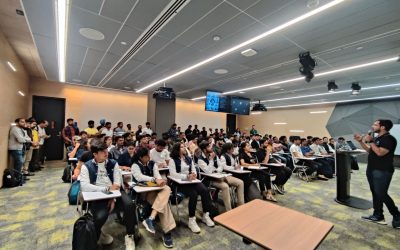
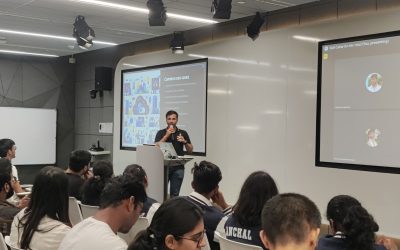
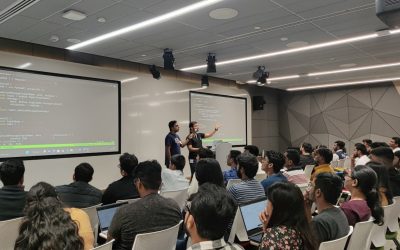
Learn From the People Behind the Brands
Supersessions with CXOs, creators & marketing leaders
















DevOps Institute Mumbai Campus Details
- Address: 2nd Floor, Awfis, Kalpataru Prime, Nehru Nagar, Wagle Industrial Estate, Thane West, Thane, Maharashtra 400604
- Contact: 084510 86339
DevOps & Cloud Engineers Jobs Opportunities in Mumbai
This table outlines the typical experience and core focus for various roles within the DevOps and Cloud Engineering career path
Experience Level
0-1.5 years
1.5-3 years
3-6 years
6-10 years
10 Year +
Job Role
DevOps Trainee
DevOps Engineer
Senior DevOps Engineer
DevOps Specialist
Principal DevOps Architect
Yearly Package
INR 1,20,000
INR 2,50,000 – 4,00,000
INR 4,00,000 – 5,00,000
INR 6,00,000 – 8,00,000
INR 10,00,000 – 15,00,000
The DevOps and Cloud Engineering field combines high demand with specialized technical skills, making it one of the most lucrative and future-proof career paths today.
For freshers, entry-level roles such as DevOps Trainee or Cloud Associate typically start from 4.0-8.0 lakhs per year. As you gain expertise in niche areas like Kubernetes, Cloud Architecture (AWS/Azure), or CI/CD Automation, your earning potential increases significantly.
Mid-level professionals (3-6 years) often transition into roles like Senior DevOps Engineer or Site Reliability Engineer (SRE), commanding salaries between ₹12- *25 lakhs annually. Senior leaders and Principal Architects (10+ years) can command salaries of 30-60 lakhs or more, especially in multinational companies (MNCs), cutting-edge tech startups, or product-based organizations.
How to Choose the Best DevOps & Cloud Engineering Course in Mumbai?
Placement
Ensure the institute offers 100% Placement Assistance and connects you directly with high-growth, product-based companies and MNCs, not just local consultancies. Look for a strong alumni network working in Principal and Architect roles.
Course Syllabus & Trainers
The curriculum must be Industry-Led, covering the latest tools like Kubernetes, Terraform, and DevSecOps. Trainers should be current Senior DevOps Architects actively working in the field, bringing real-time case studies to the classroom.
Live Projects
Demand Live, Enterprise-Level Projects that simulate real cloud environments. You must build a professional portfolio by working on end-to-end CI/CD pipelines and scalable infrastructure deployments, ensuring you can speak confidently about your experience.
Alumni Outcomes
Look beyond just a placement rate. Research where alumni are placed (MNCs, high-growth startups) and their current designations to verify the program's real-world impact and credibility.
Got Questions?
Get on a call with our Career counsellor.
Frequently Asked Questions
Here are honest answers to the most common questions about our program and placement process.
What does the Cloud Computing course at DevOps Institute Mumbai cover?
The course spans cloud architecture, virtualization, networking, security, serverless computing, cloud automation, and DevOps integration, with hands-on training across AWS, Azure, and Google Cloud.
Which cloud platforms will I learn — AWS, Azure, or Google Cloud?
All three — the curriculum covers AWS core services (EC2, S3, RDS, Lambda), Microsoft Azure, and Google Cloud (App Engine, Compute Engine, Kubernetes Engine), so you graduate with multi-cloud versatility rather than single-platform knowledge.
Is this course focused on Cloud Computing alone, or does it include DevOps skills too?
It integrates both — alongside core cloud architecture and service management, you’ll learn DevOps integration, Infrastructure as Code with Terraform, and automation with Ansible, since most real cloud engineering roles in Mumbai now expect both skill sets together.
What hands-on projects will I build during the course?
Projects include provisioning a secure Virtual Private Cloud (VPC) on AWS using Terraform — complete with route tables, internet gateways, security groups, and subnets — plus real-world cloud automation and infrastructure exercises.
Do I need coding or IT experience to join the Cloud Computing course?
No strict prerequisites — the course is structured for both newcomers and experienced professionals, building foundational cloud concepts (IaaS, PaaS, SaaS) before moving into advanced deployment and security topics.
Does the Cloud Computing course offer placement assistance?
Yes — placement support includes resume building, mock interviews, and referrals through our hiring partner network, which has placed graduates at companies including TCS, Infosys, Wipro, Accenture, IBM, Amazon, and Microsoft.
What roles can I get after completing the Cloud Computing course?
Graduates have moved into roles like Cloud Engineer, Google Cloud Engineer, and Cloud Architect — one alumna transitioned from a traditional IT role directly into a Cloud Architect position after completing our program.
What is the difference between the Cloud Computing course and the Google Cloud-specific track?
The Cloud Computing course covers AWS, Azure, and GCP together for broad versatility; our dedicated Google Cloud training goes deeper into GCP-specific services like App Engine, Compute Engine, GKE, and Google’s big data/ML capabilities for those who want to specialize.
Where are classes held, and is there an online option?
Classroom training is held at our Thane campus (2nd Floor, Awfis, Kalpataru Prime); contact us to check current availability for live-online batches.
What salary or career growth can I expect after this course?
Outcomes vary by background and role, but graduates across our cloud and DevOps programs have seen average salary hikes of around 54%, with placements ranging from ₹5–12 LPA depending on experience level and specialization.
Why is Cloud Computing in high demand in Mumbai?
Mumbai’s IT sector is growing rapidly with startups and enterprises moving to cloud and automation. Companies need DevOps engineers for continuous integration, deployment, and monitoring, making it a high-paying and future-proof career.