



M.Tech Level

DevOps Engineer Course With Placement Assistance

Take charge of your career with india’s most effective DevOps training program

#1
DevOps Engineering Institute

14

PG in DevOps 2025 Cohort Details

Campus Batch Type Application Deadline Batch Starts Batch Capacity
Mumbai Weekday (Mon - Fri) - Sep 29, 2025
Only 50

3 seats left

Delhi Weekday (Mon - Fri) Oct 14, 2025 Nov 29, 2025
Only 40

PG in DevOps 2025 Cohort Details

35

Mumbai Cumpus
37

Batch Capacity

Only 50

38

Application Deadline

-

39

Batch Starts

Sep 29, 2025

40

Batch Type

Weekday (Mon - Fri)

36

Delhi Cumpus
37

Batch Capacity

Only 40

38

Application Deadline

Oct 14, 2025

39

Batch Starts

Nov 29, 2025

40

Batch Type

Weekday (Mon - Fri)

See Where Our Graduates Are Working Today

Discover how our Devops Institute in Mumbai has helped students land jobs at top IT companies, cloud startups, and MNCs with 95% placement success
31

11 LPA

Highest Package

32

5 LPA

Avg. Package

33

93%

Placement Rate

34

54%

Avg. Salary Hike

Lorem ipsum dolor sit amet consectetur adipiscing elit. Dolor sit amet consectetur adipiscing elit quisque faucibus.

DevOps Institute Mumbai Students Are Placed at Top Digital-First Companies

Explore Career Outcomes

Redefine Your Career Path

We’ve trained and placed aspiring engineers into thriving DevOps roles at leading tech companies. Your success story could be next.

Average Package
6 LPA+
Satisfaction Rate
0 %
Average Salary Hike
0 %

Start Mapping Your Career Path

The Tech Industry Moves Fast. We Help You Move Faster.

Get Certified by Cloud & DevOps Experts

Earn a globally recognized DevOps certification powered by cloud professionals-build a strong portfolio that stands out to employers.

DevOps Interview & Placement Bootcamp

Crack your dream role with mock interviews, resume workshops, and recruiter sessions form top IT companies in Mumbai.

Guaranteed Internship & Mentorship Program

Get a guaranteed internship with live projects guided by industry mentors and boost your career with real DevOps exposure.

Taught by Experts, Led by Industry Leaders

With a blend of experienced trainers and guest mentors from IT companies, our DevOps program gives you real-world exposure.

PG in DevOps Engineering

Our DevOps Engineering program is designed with industry experts to make you job-ready. Gain hands-on experience, build live projects, and master the latest tools used by top IT companies. Here’s what you’ll master!

Module 1: Introduction to DevOps

  • Lesson 1: What is DevOps?
    • Overview of DevOps
    • History and evolution
    • Key principles and practices
  • Lesson 2: DevOps Culture
    • Collaboration and communication
    • DevOps values and mindset
    • Case studies of successful DevOps implementations
  • Lesson 3: DevOps Tools Overview
    • Commonly used DevOps tools
    • Categories of DevOps tools (CI/CD, Configuration Management, etc.)
    • Introduction to toolchains

Module 2: Version Control with Git

  • Lesson 1: Introduction to Git
    • What is Git?
    • Setting up Git
    • Basic Git commands
  • Lesson 2: Working with Repositories
    • Creating and cloning repositories
    • Branching and merging
    • Managing pull requests
  • Lesson 3: Advanced Git
    • Rebasing and squashing commits
    • Handling merge conflicts
    • Git workflows (GitFlow, GitHub Flow, etc.)

Module 3: Continuous Integration (CI)

  • Lesson 1: Introduction to CI
    • What is CI?
    • Benefits of CI
    • CI best practices
  • Lesson 2: CI Tools
    • Overview of CI tools (Jenkins, GitLab CI, CircleCI, etc.)
    • Setting up a CI pipeline
    • Configuring builds and tests
  • Lesson 3: Advanced CI
    • Parallel builds
    • Integrating CI with code quality tools
    • Notifications and reporting

Module 4: Continuous Deployment/Continuous Delivery (CD)

  • Lesson 1: Introduction to CD
    • What is CD?
    • Difference between Continuous Deployment and Continuous Delivery
    • Benefits and challenges
  • Lesson 2: CD Tools and Practices
    • Overview of CD tools (Jenkins, GitLab CI, Spinnaker, etc.)
    • Setting up a CD pipeline
    • Blue-green deployments and canary releases
  • Lesson 3: Advanced CD
    • Rollbacks and versioning
    • Integrating CD with monitoring tools
    • Security and compliance in CD

Module 5: Configuration Management

  • Lesson 1: Introduction to Configuration Management
    • What is configuration management?
    • Importance and benefits
    • Key tools (Ansible, Puppet, Chef, etc.)
  • Lesson 2: Ansible Basics
    • Setting up Ansible
    • Writing Ansible playbooks
    • Managing inventory and hosts
  • Lesson 3: Advanced Ansible
    • Roles and variables
    • Ansible Galaxy
    • Troubleshooting and best practices

Module 6: Containerization and Orchestration

  • Lesson 1: Introduction to Containers
    • What are containers?
    • Benefits of containerization
    • Docker basics
  • Lesson 2: Docker in Depth
    • Dockerfile and images
    • Docker Compose
    • Managing containers
  • Lesson 3: Container Orchestration with Kubernetes
    • Introduction to Kubernetes
    • Kubernetes architecture
    • Deploying applications on Kubernetes
  • Lesson 4: Advanced Kubernetes
    • Helm charts
    • Kubernetes networking and storage
    • Monitoring and logging in Kubernetes

Module 7: Infrastructure as Code (IaC)

  • Lesson 1: Introduction to IaC
    • What is IaC?
    • Benefits of IaC
    • Key tools (Terraform, CloudFormation, etc.)
  • Lesson 2: Terraform Basics
    • Setting up Terraform
    • Writing Terraform configurations
    • Managing infrastructure with Terraform
  • Lesson 3: Advanced Terraform
    • Terraform modules
    • State management
    • Working with multiple providers

Module 8: Monitoring and Logging

  • Lesson 1: Introduction to Monitoring and Logging
    • Importance of monitoring and logging
    • Key metrics and logs to monitor
    • Tools overview (Prometheus, Grafana, ELK Stack, etc.)
  • Lesson 2: Setting Up Monitoring
    • Installing and configuring Prometheus
    • Visualizing metrics with Grafana
    • Setting up alerts
  • Lesson 3: Centralized Logging
    • Introduction to the ELK Stack
    • Configuring Elasticsearch, Logstash, and Kibana
    • Log aggregation and analysis

Module 9: Security in DevOps

  • Lesson 1: Introduction to DevSecOps
    • What is DevSecOps?
    • Integrating security into the DevOps pipeline
    • Common security practices
  • Lesson 2: Security Tools and Practices
    • Static code analysis tools
    • Dependency management and vulnerability scanning
    • Secrets management
  • Lesson 3: Advanced Security
    • Container security best practices
    • Infrastructure security
    • Continuous compliance and auditing

Module 10: Cloud Providers and Services

  • Lesson 1: Introduction to Cloud Computing
    • What is cloud computing?
    • Cloud service models (IaaS, PaaS, SaaS)
    • Key cloud providers (AWS, Azure, GCP)
  • Lesson 2: AWS Fundamentals
    • AWS core services (EC2, S3, RDS, etc.)
    • Setting up and managing AWS infrastructure
    • AWS CLI and SDKs
  • Lesson 3: Advanced AWS
    • AWS Lambda and serverless computing
    • Managing security and compliance in AWS
    • Cost optimization

Module 11: Soft Skills and Career Preparation

  • Lesson 1: Communication and Collaboration
    • Effective communication in a DevOps environment
    • Collaboration tools and practices
    • Conflict resolution
  • Lesson 2: Problem Solving and Troubleshooting
    • Approaches to problem solving
    • Troubleshooting common DevOps issues
    • Case studies and real-world scenarios
  • Lesson 3: Resume Building and Interview Preparation
    • Building a DevOps resume
    • Preparing for DevOps interviews
    • Common DevOps interview questions

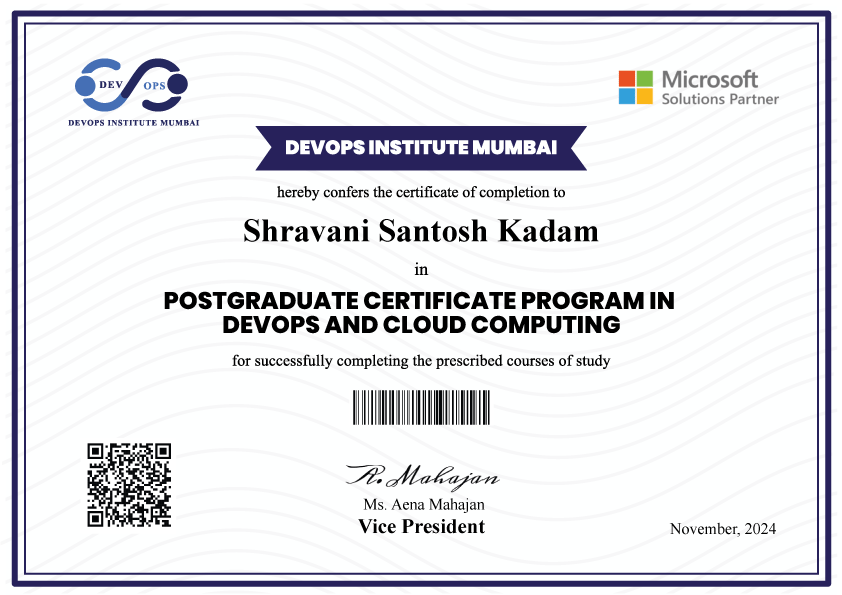
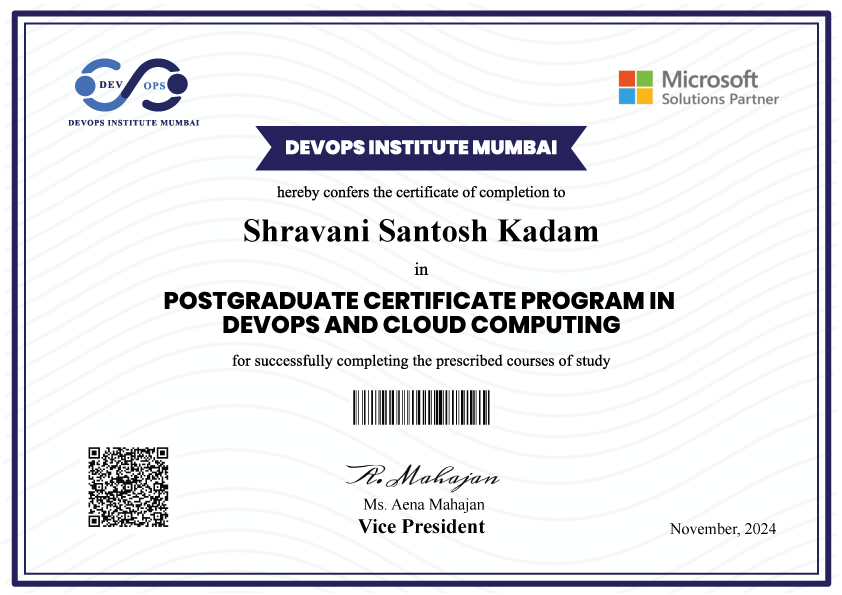
Co-Designed & Co-Certified by Industry Leaders

Key Program Highlights

In-Person Learning Hours
0 +
Live Brand Projects
0 +
Month Mandatory Internships
0

Discover Exactly What You’ll Learn

DevOps Projects

Infrastructure Automation at Scale

Automate provisioning EC2 servers on AWS with Terraform and automate deploying dockerized applications with docker-compose using Ansible by taking advantage of AWS dynamic inventory.

Devops service icons 1

Production Grade CI/CD with K8s

Deploying to Kubernetes cluster on EKS from a complete CI/CD pipeline with automatic triggering, dynamic versioning for new docker application image.

Devops service icons 2

App Monitoring & Recovery

Write an automated script in Python for monitoring a web application. Notifying about the status and recovering the application if not accessible.

Devops service icons 3

CI/CD with Docker Compose

Deploy to AWS EC2 using docker compose from a complete CI/CD pipeline with automatic versioning, building a docker image.

Devops service icons 4
Devops service icons 7

Monitoring & Alerting in K8s cluster

Configure a K8s cluster with Prometheus monitoring and alerting. Deploy a web application inside the cluster with its dependent services and configure monitoring for it.

Dockerize Application Pipeline

Dockerize an application, set up a private Docker registry on Nexus for saving Need H the images and setup an end to end CI/CD pipeline to deploy the application.

Devops service icons 5

Deploy Microservices App to K8s cluster

Deploying a Microservices Application into K8s cluster with Production & Security Best Practices.

Devops service icons 6

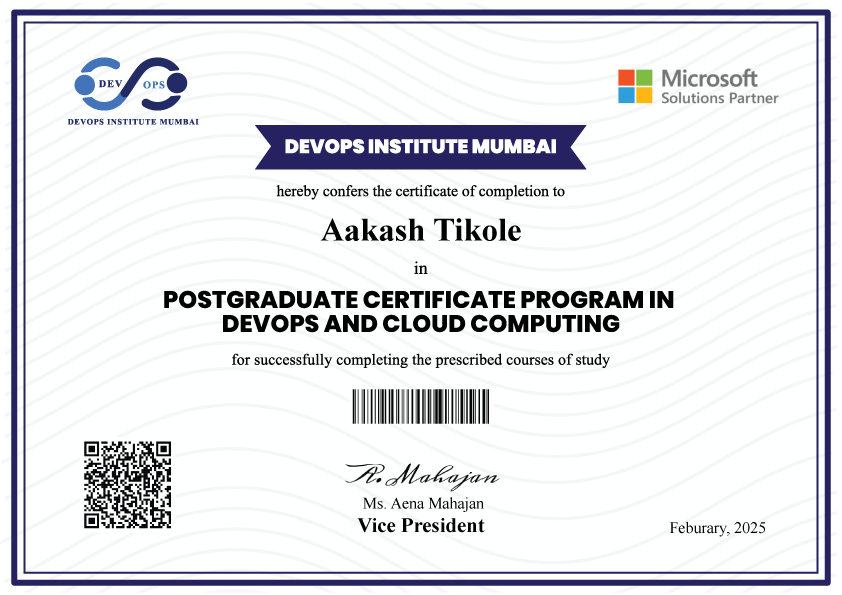
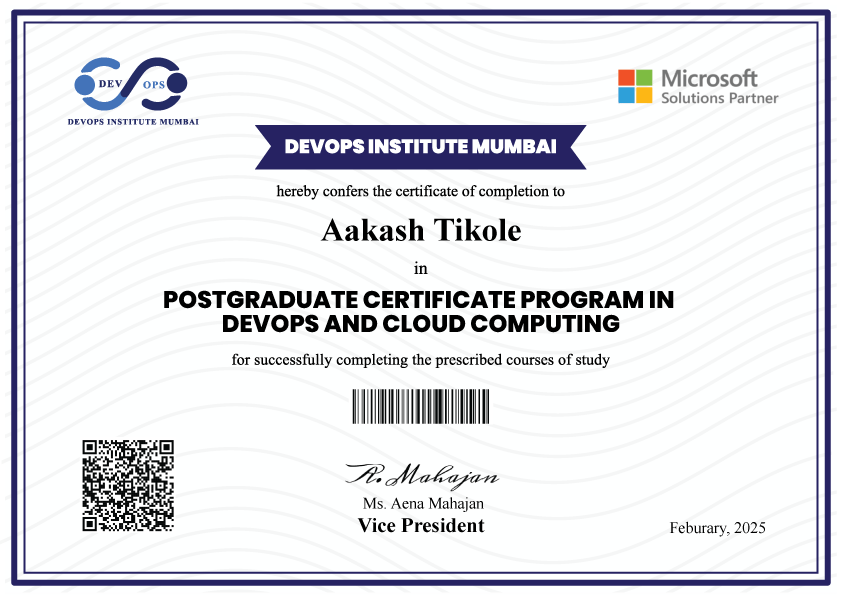
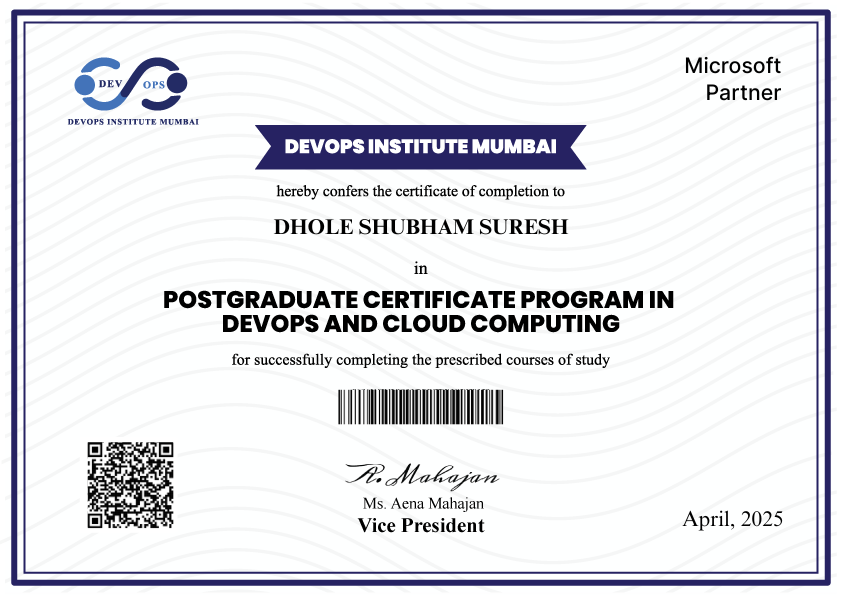
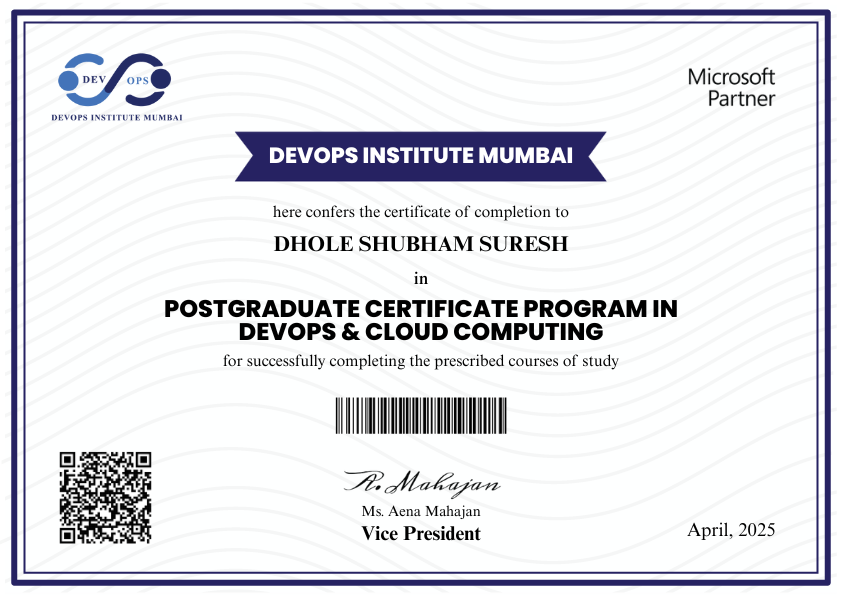
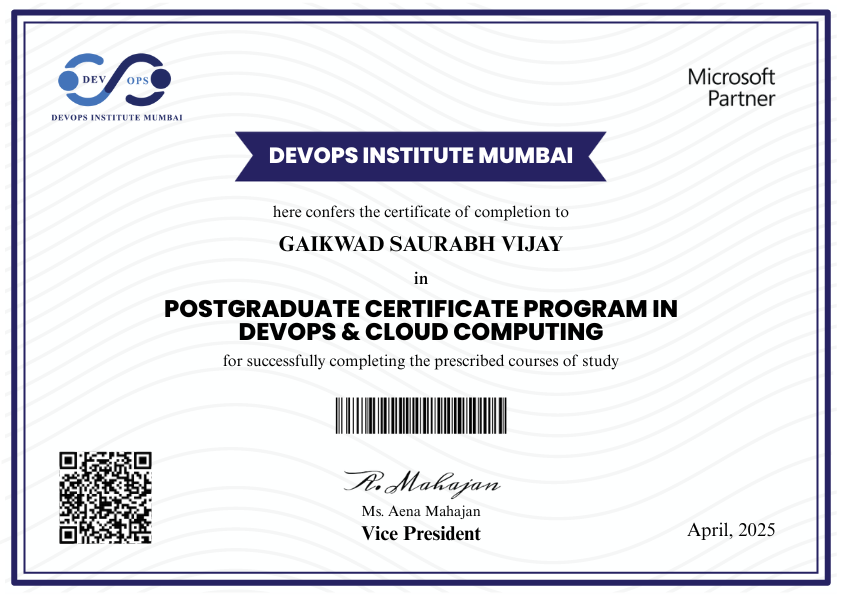
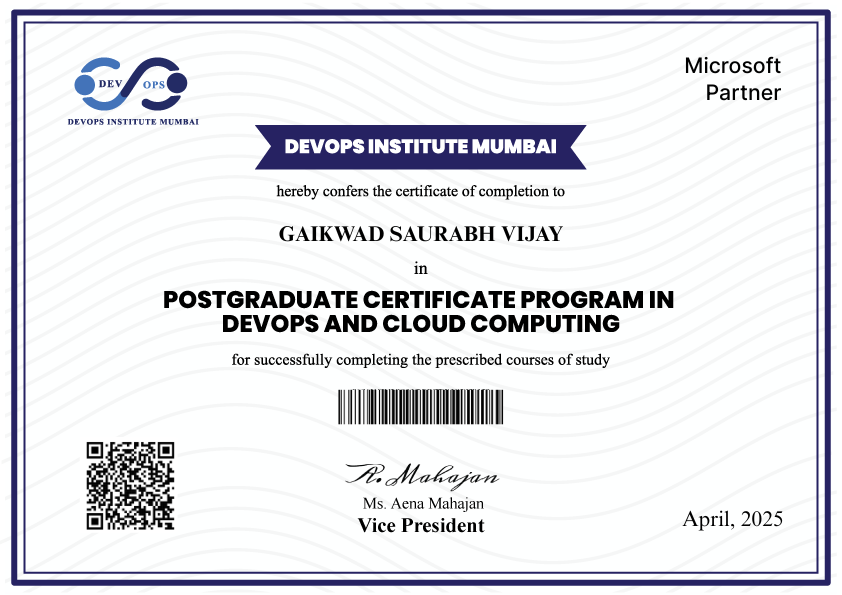
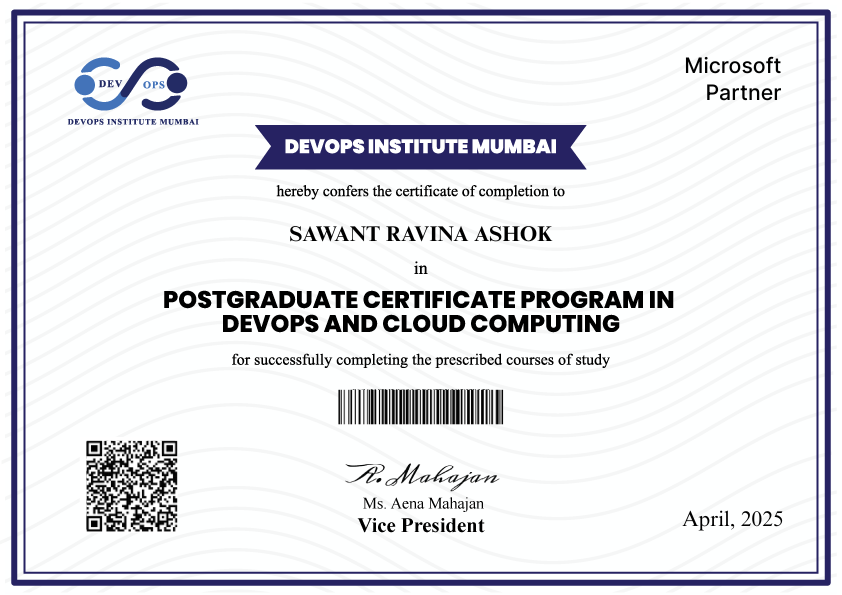
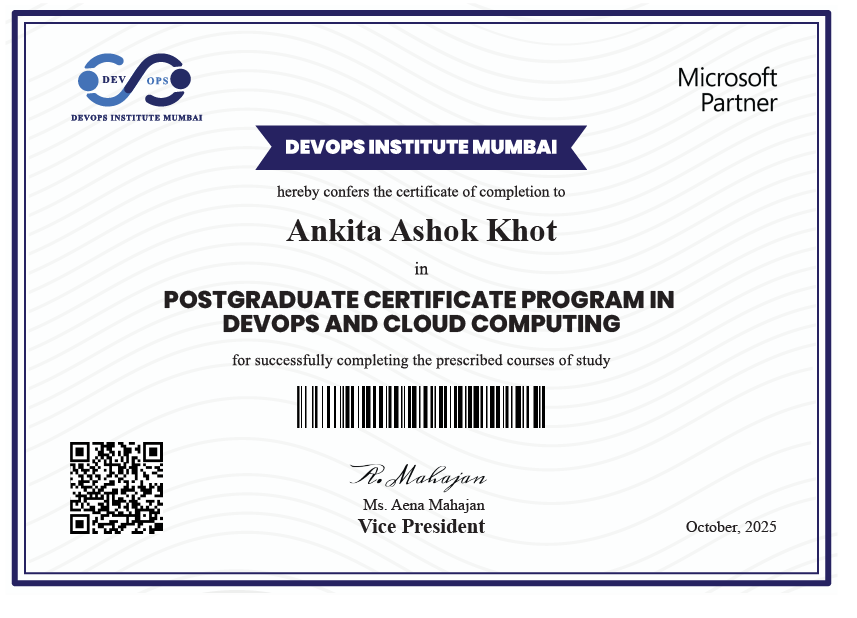
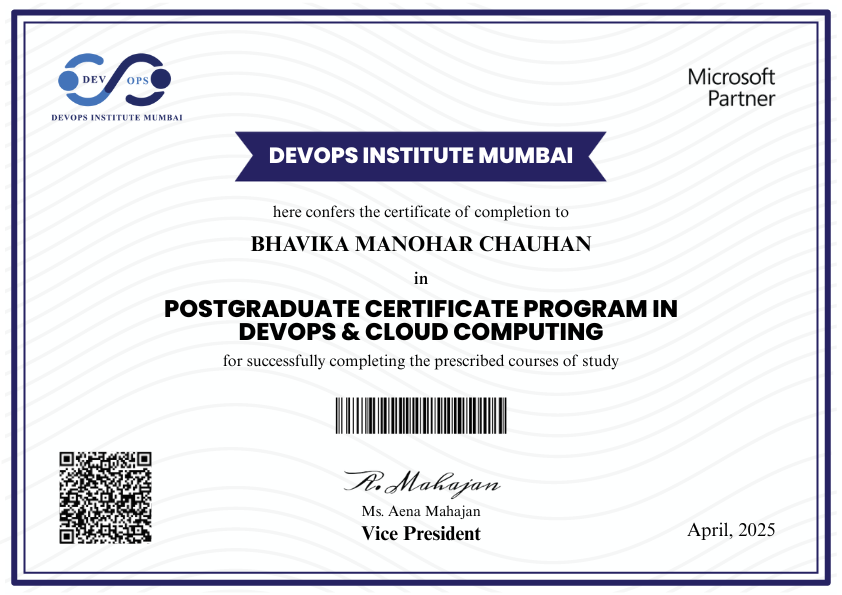
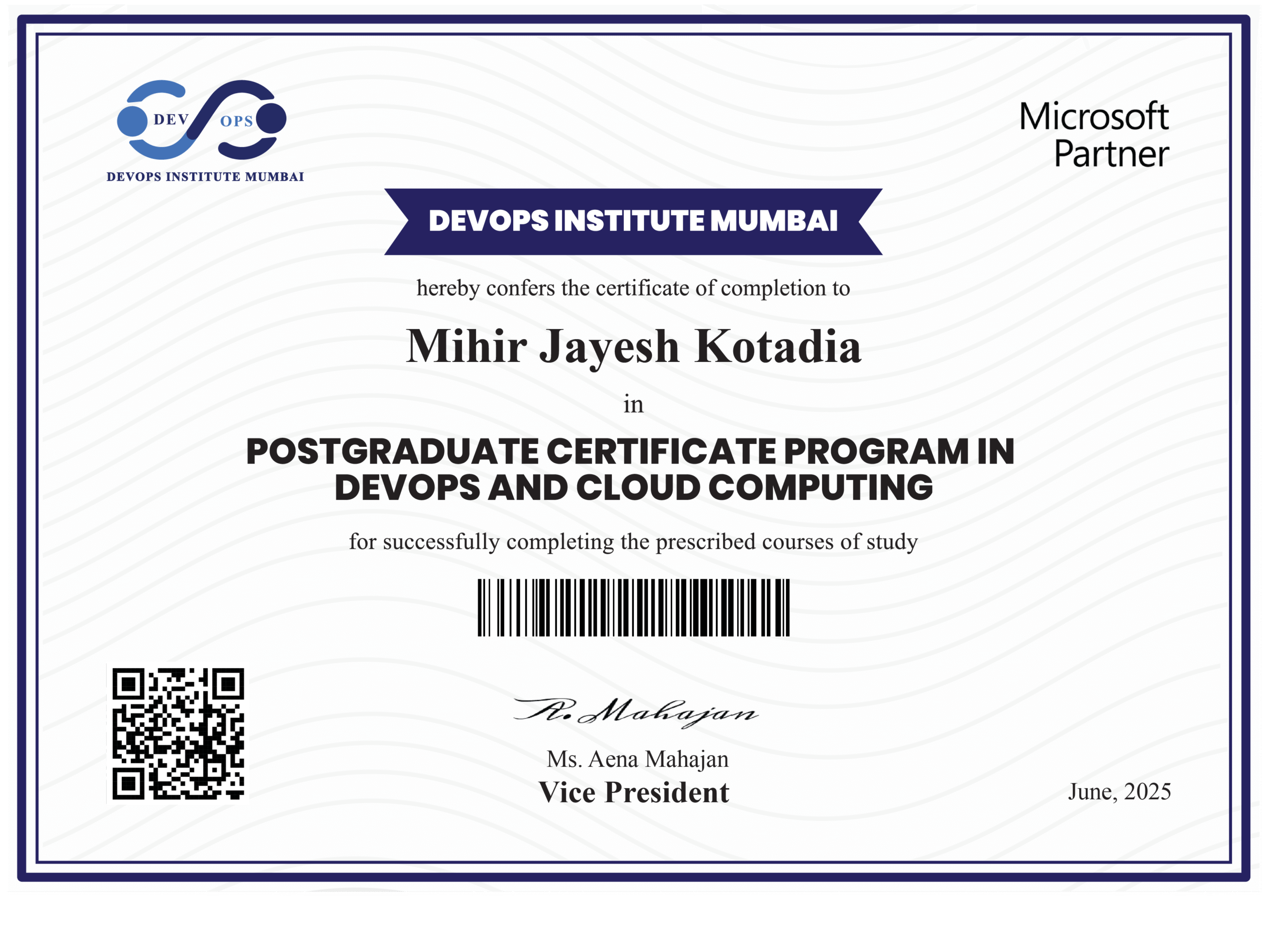
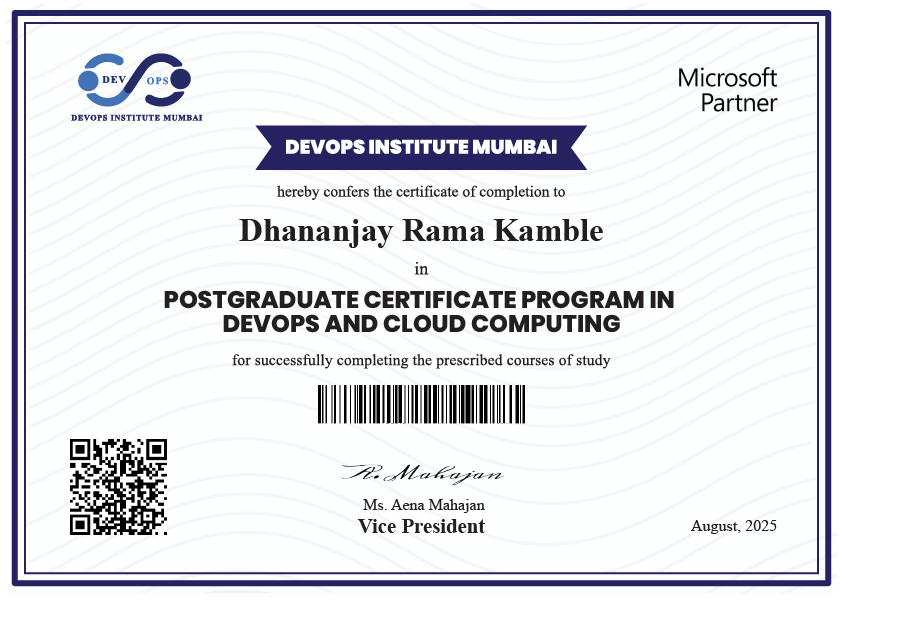
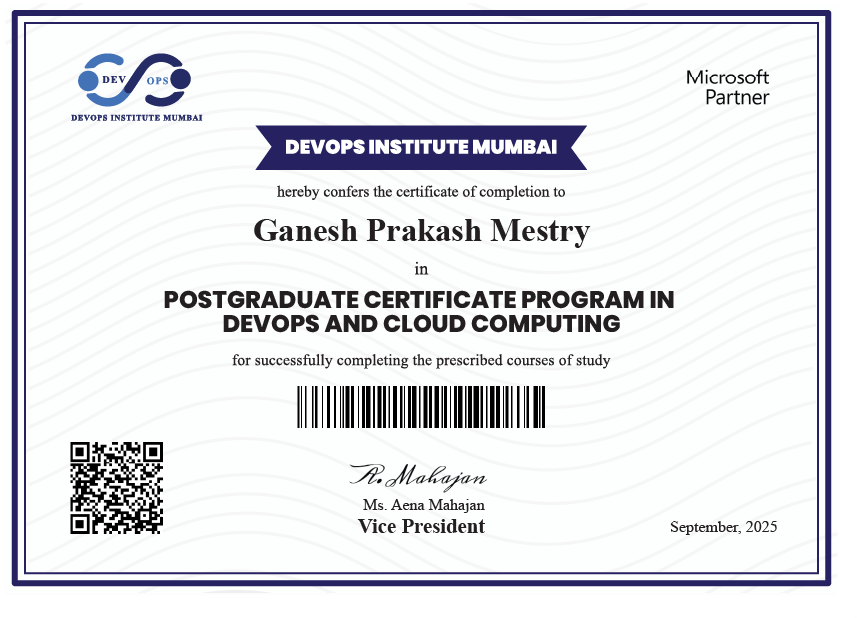
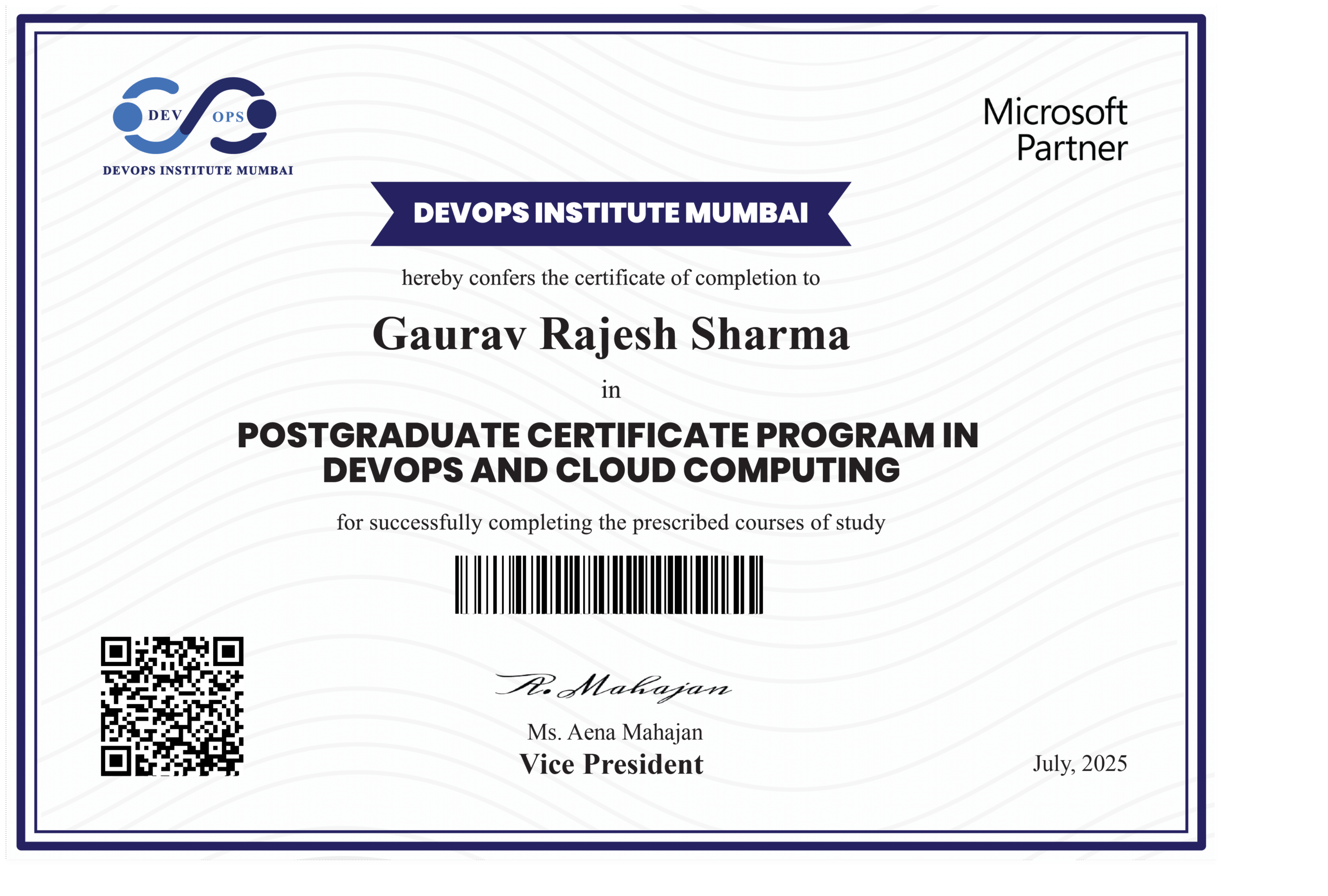
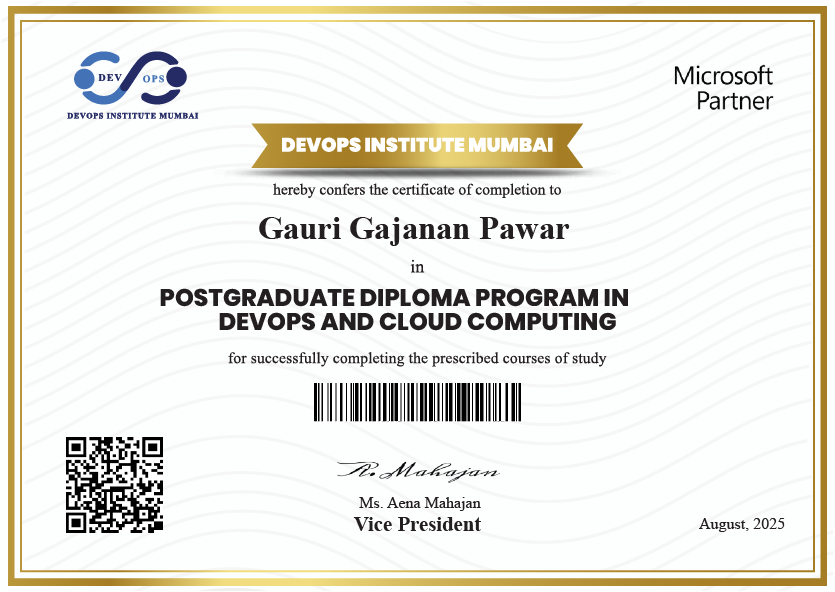
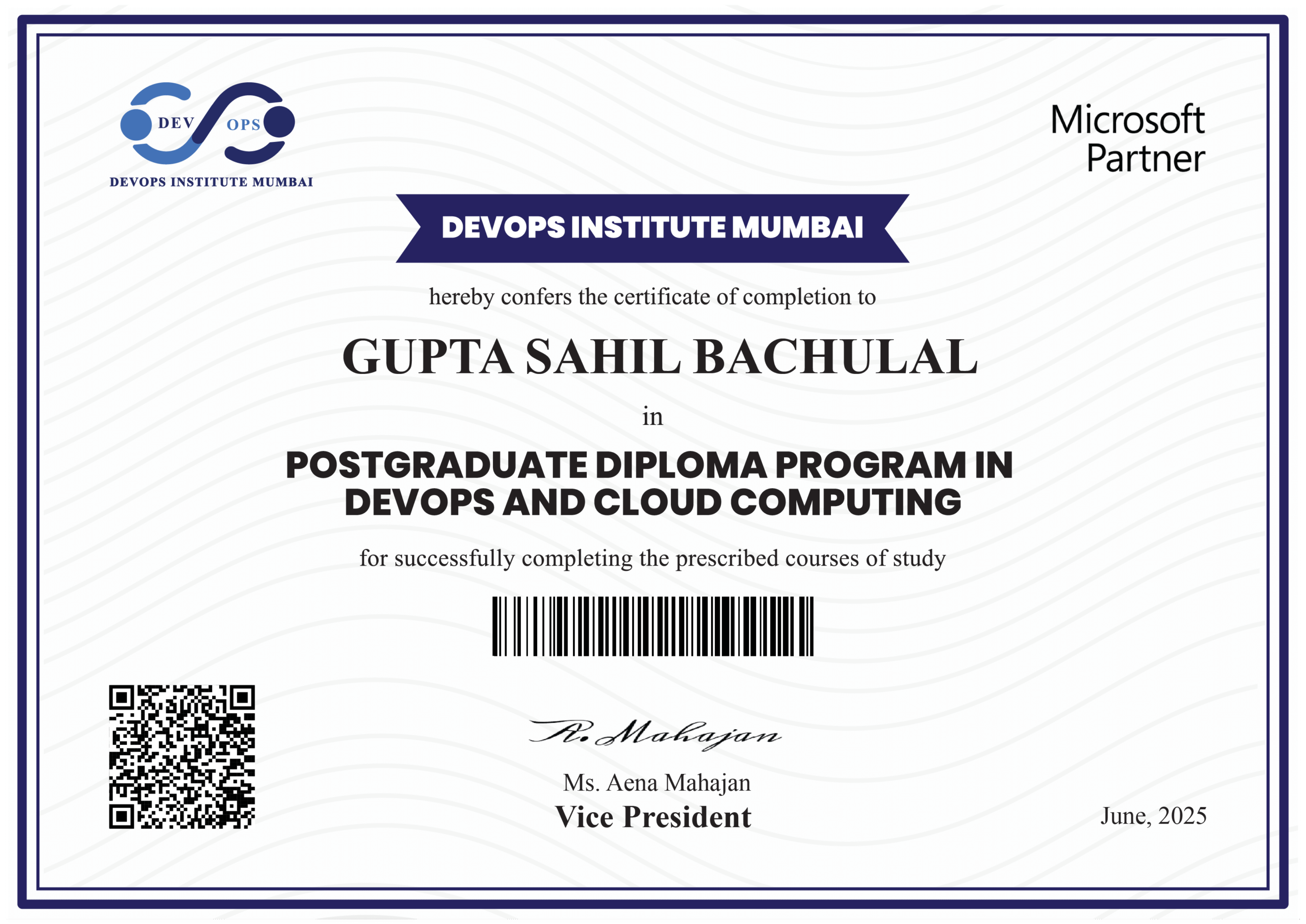
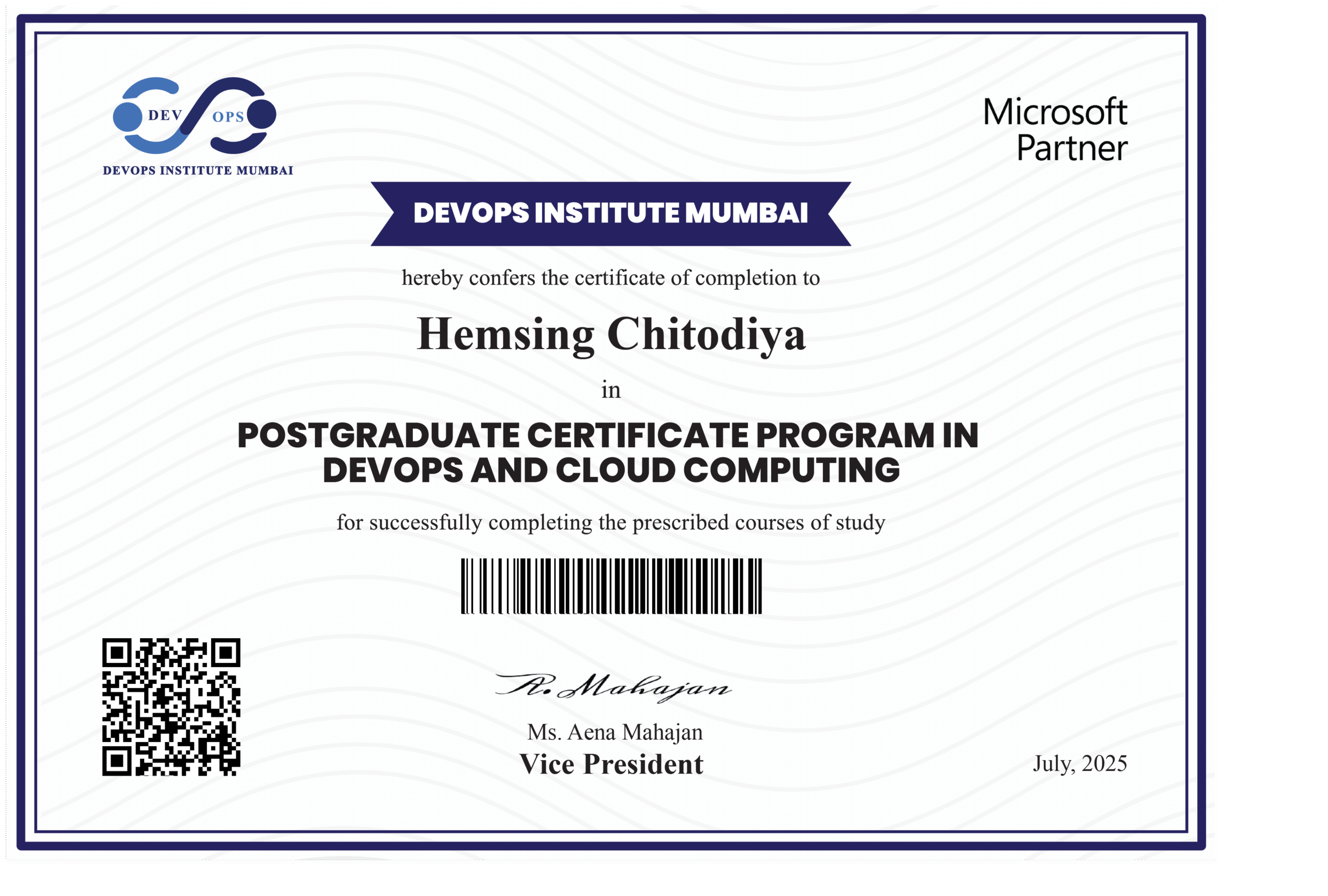
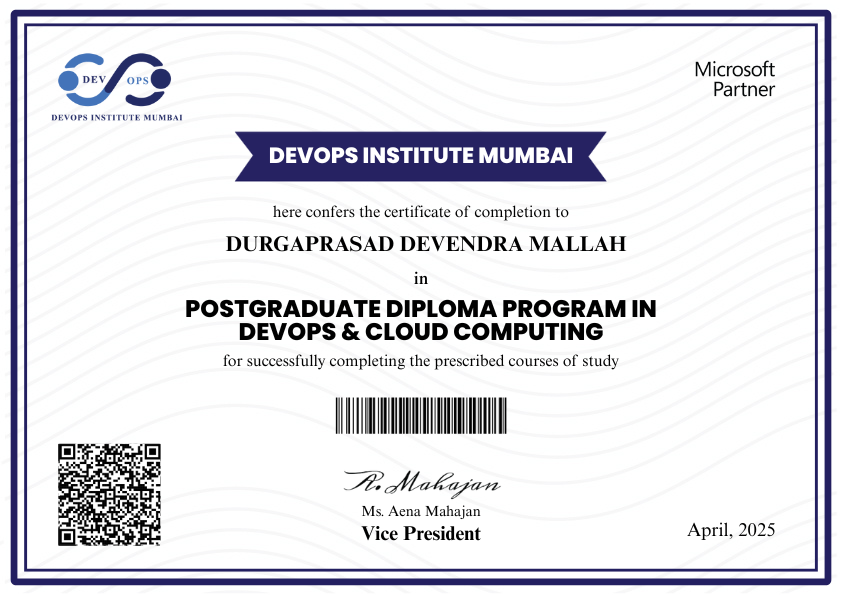
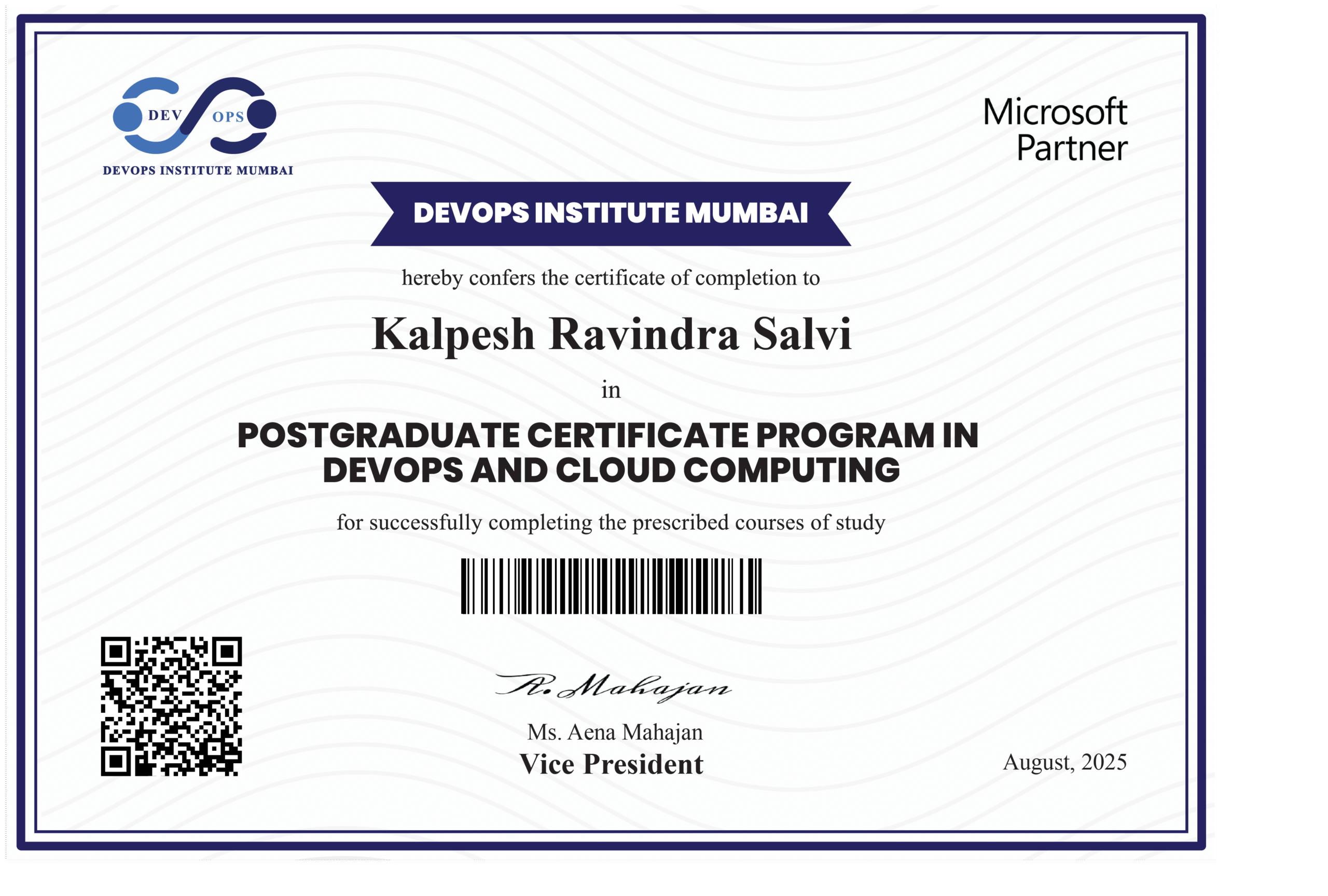
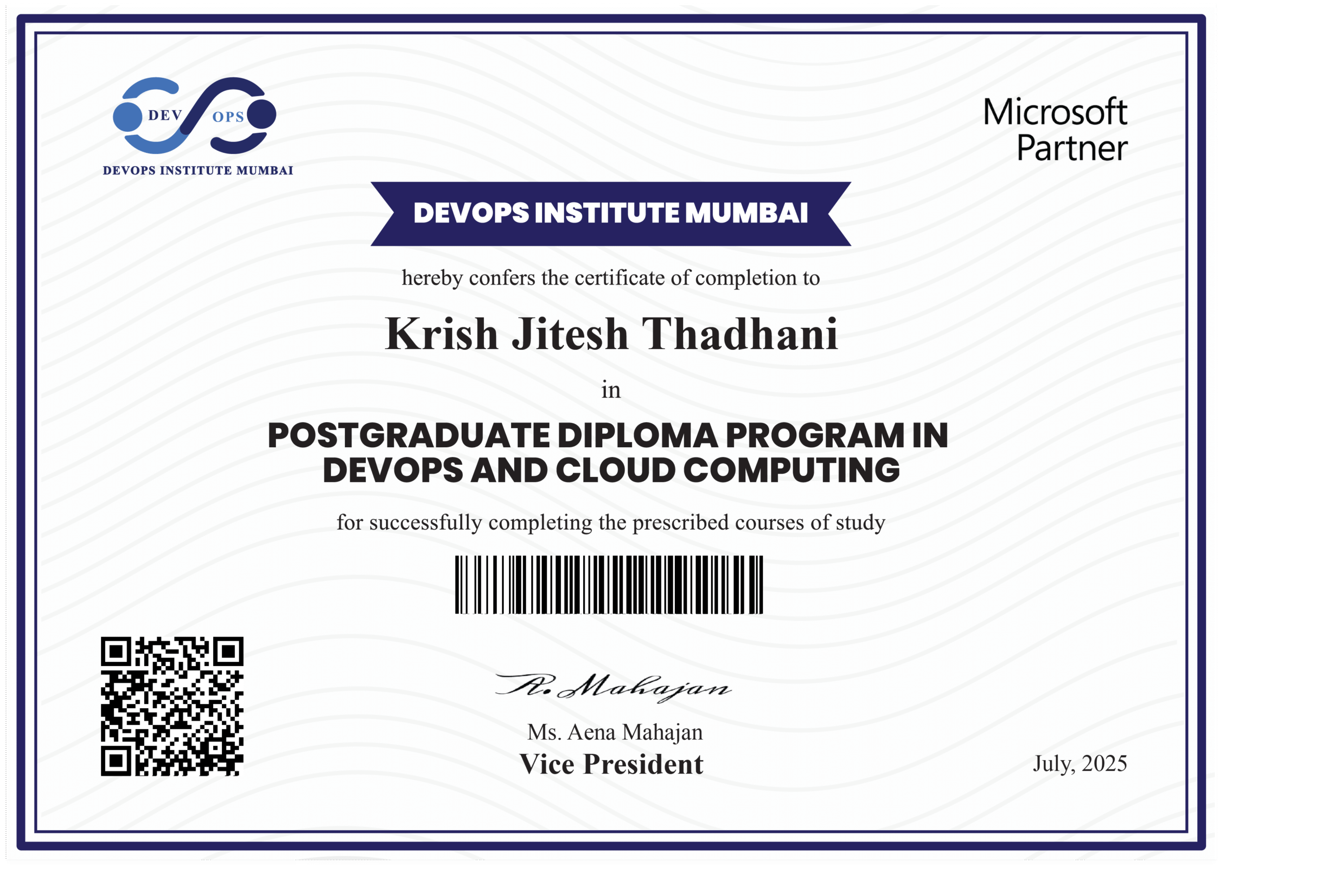
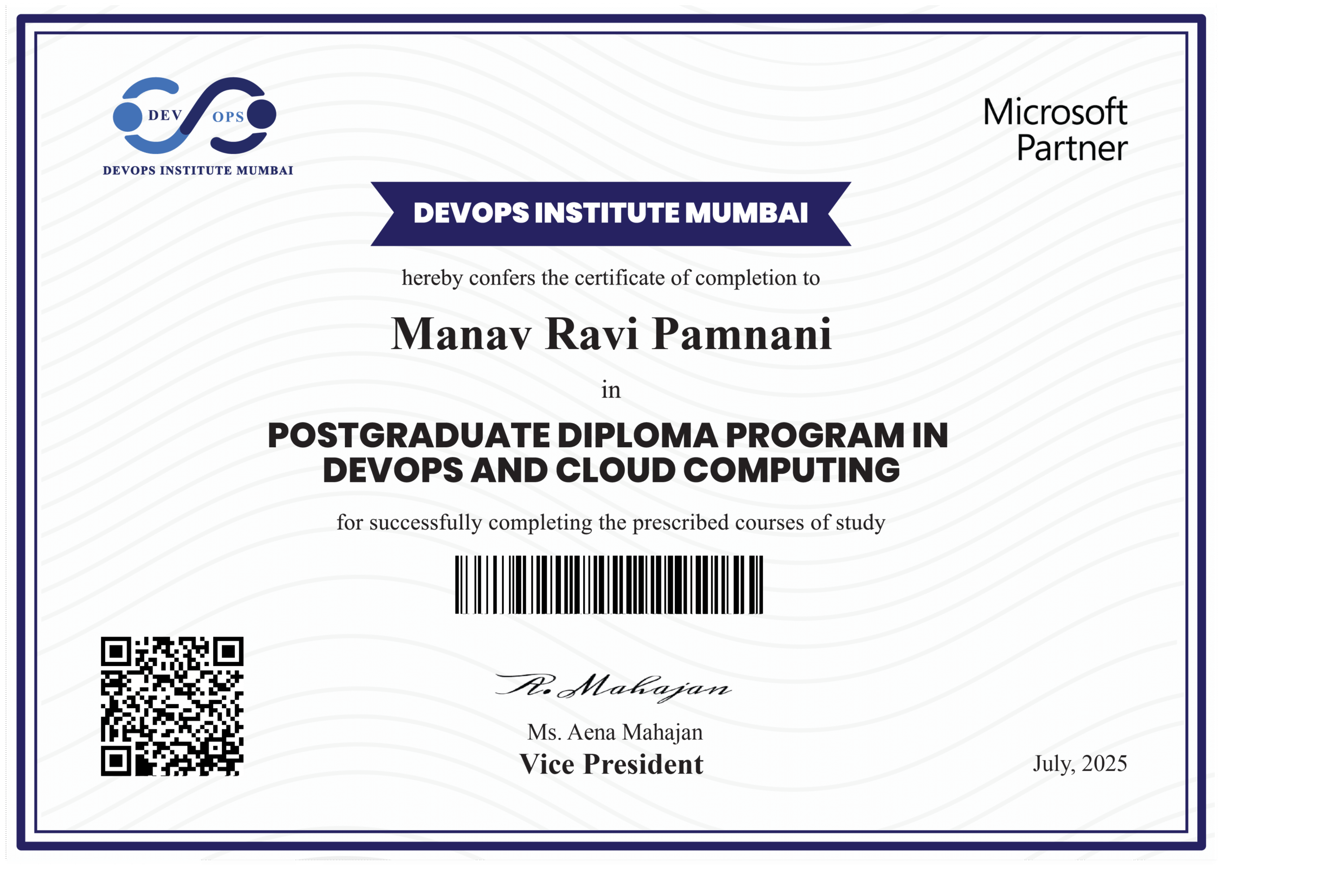
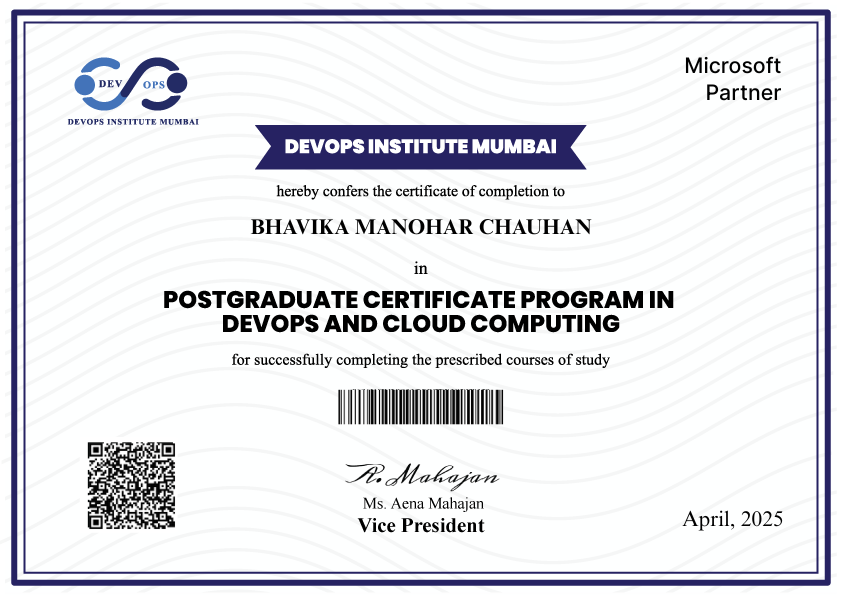
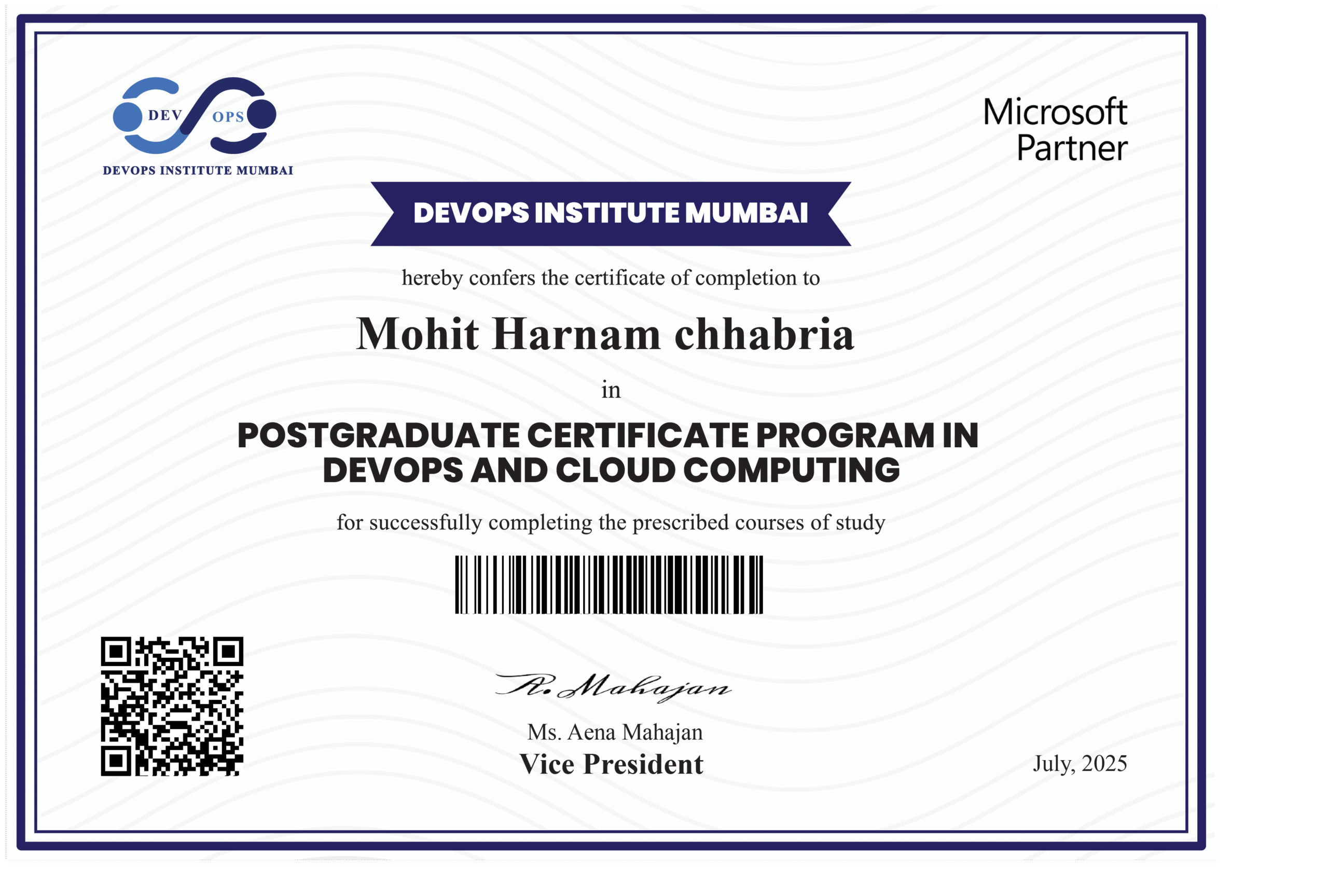
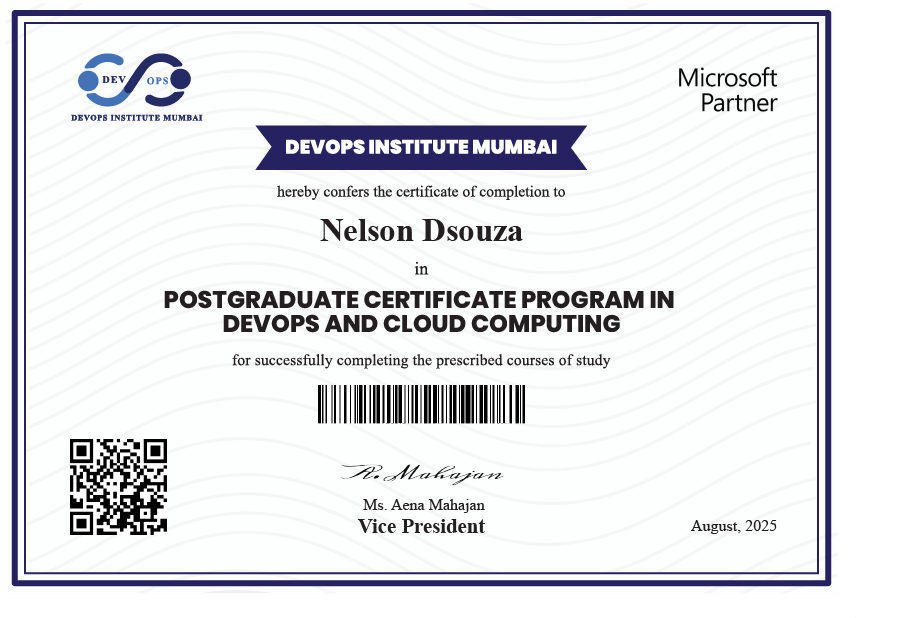
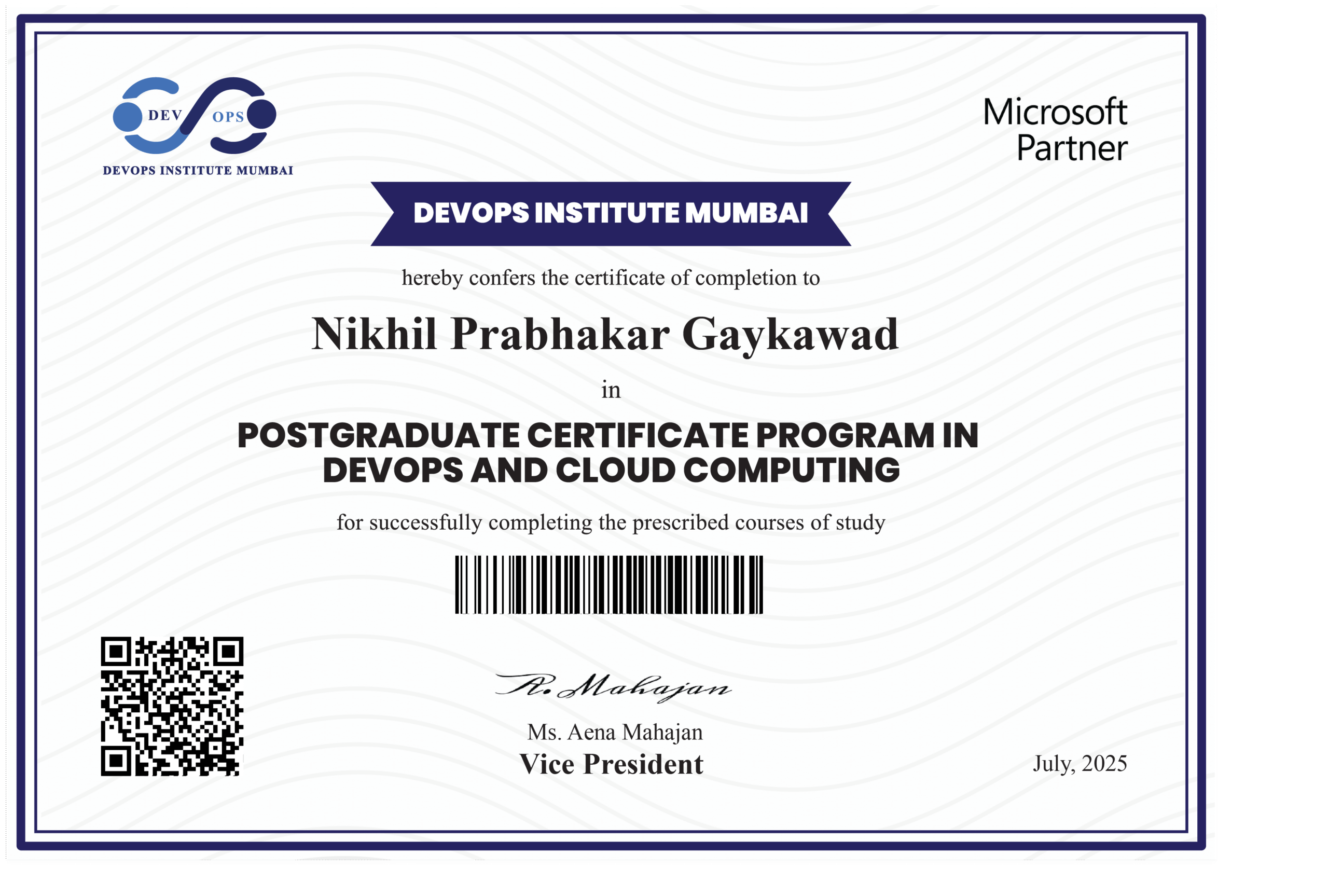
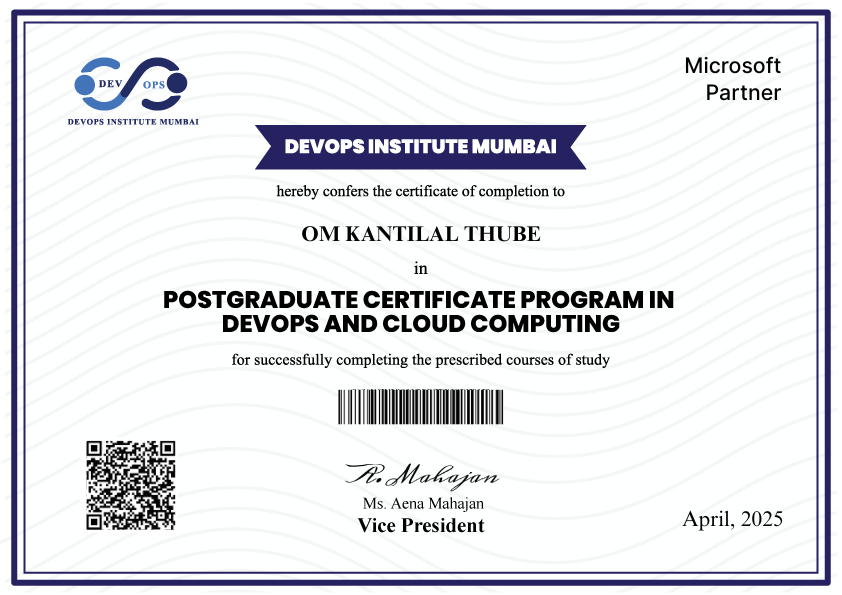
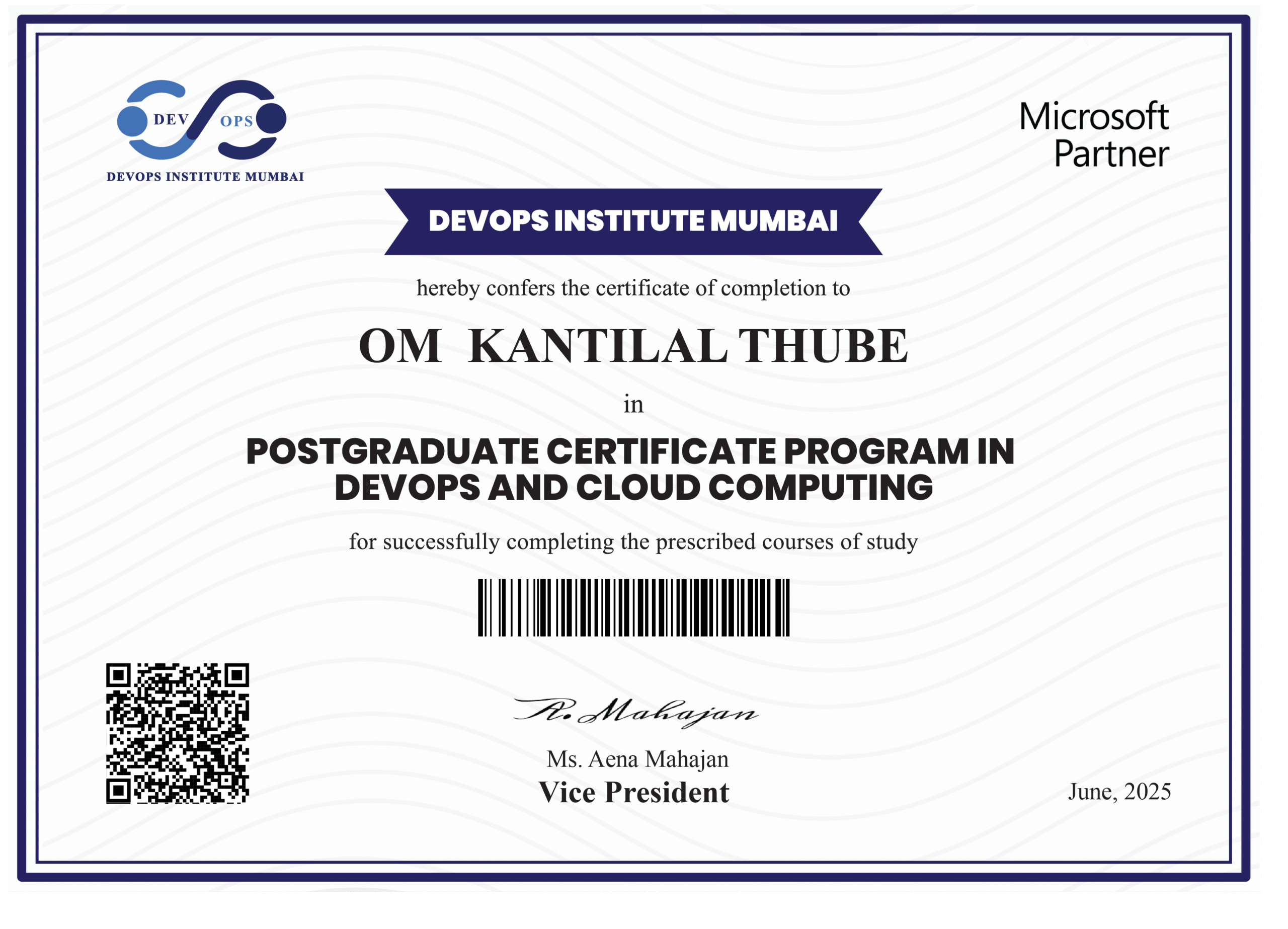
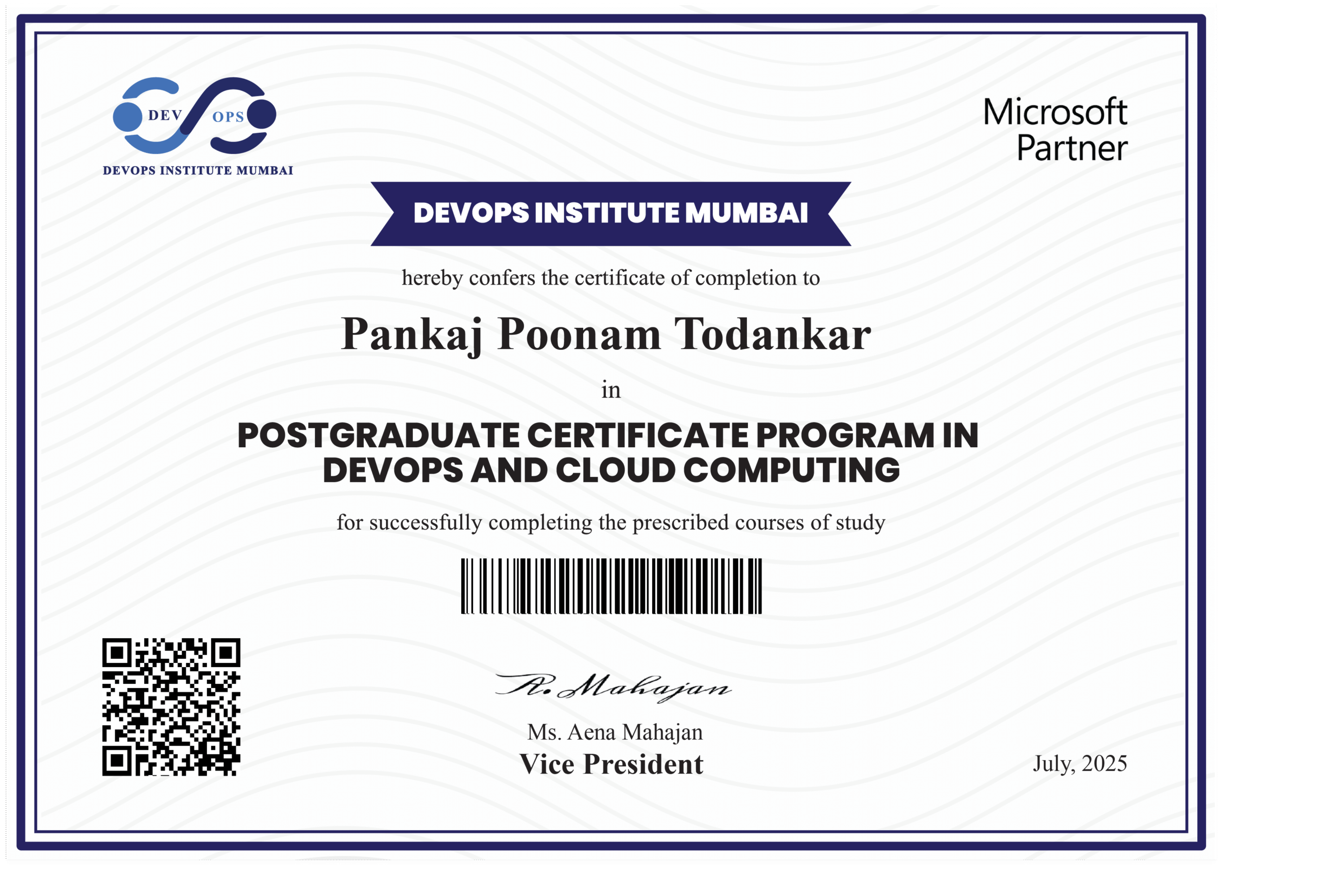
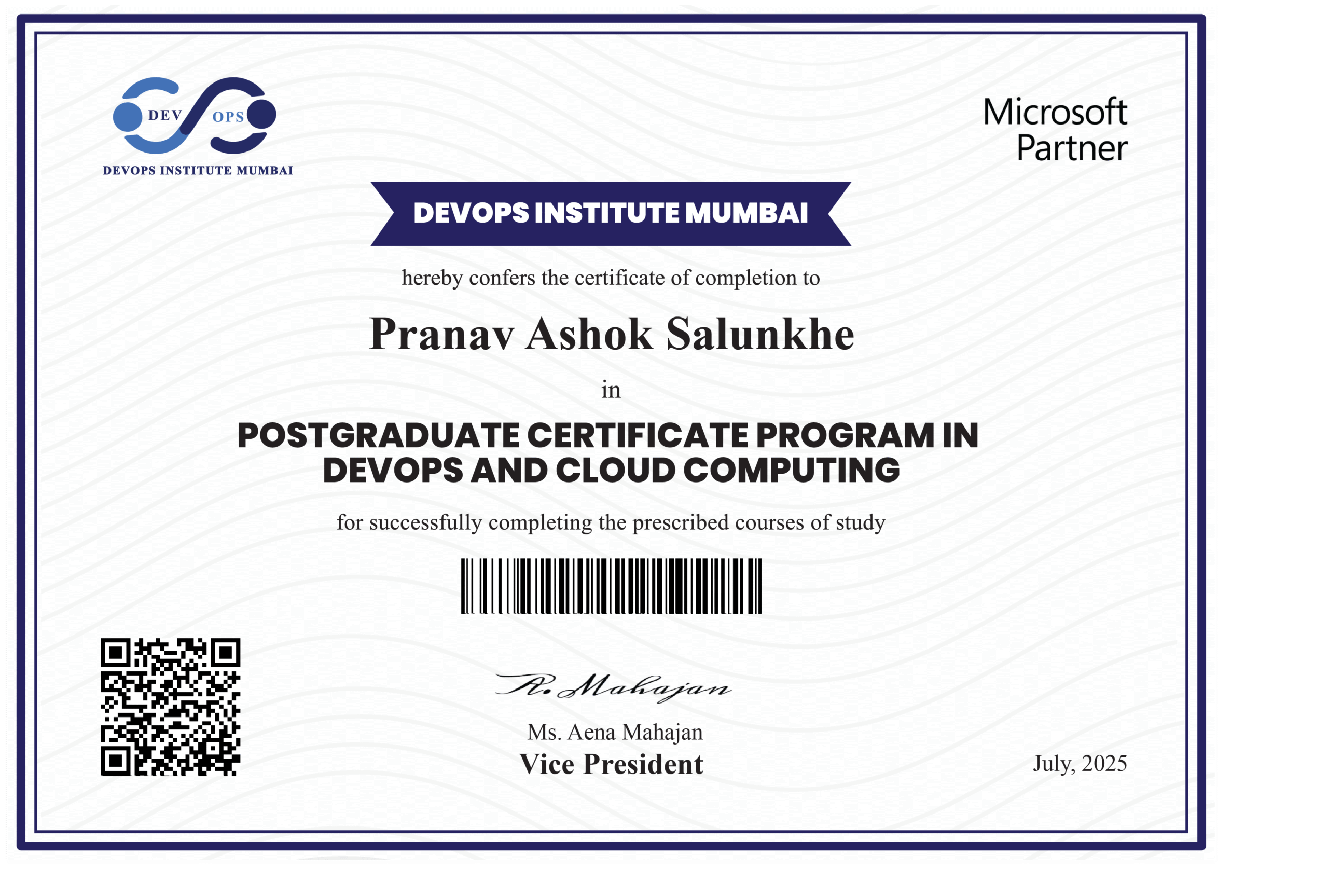
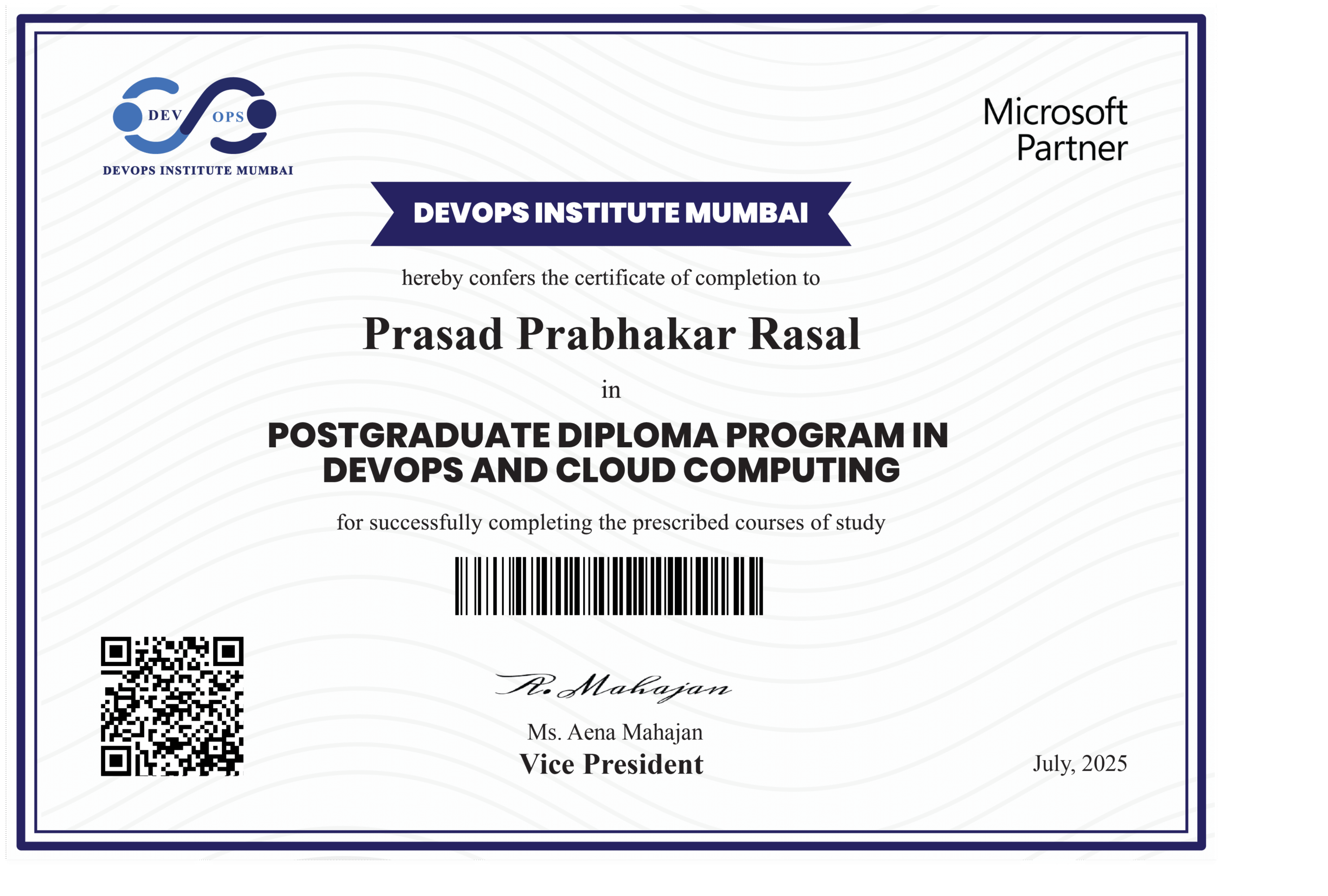
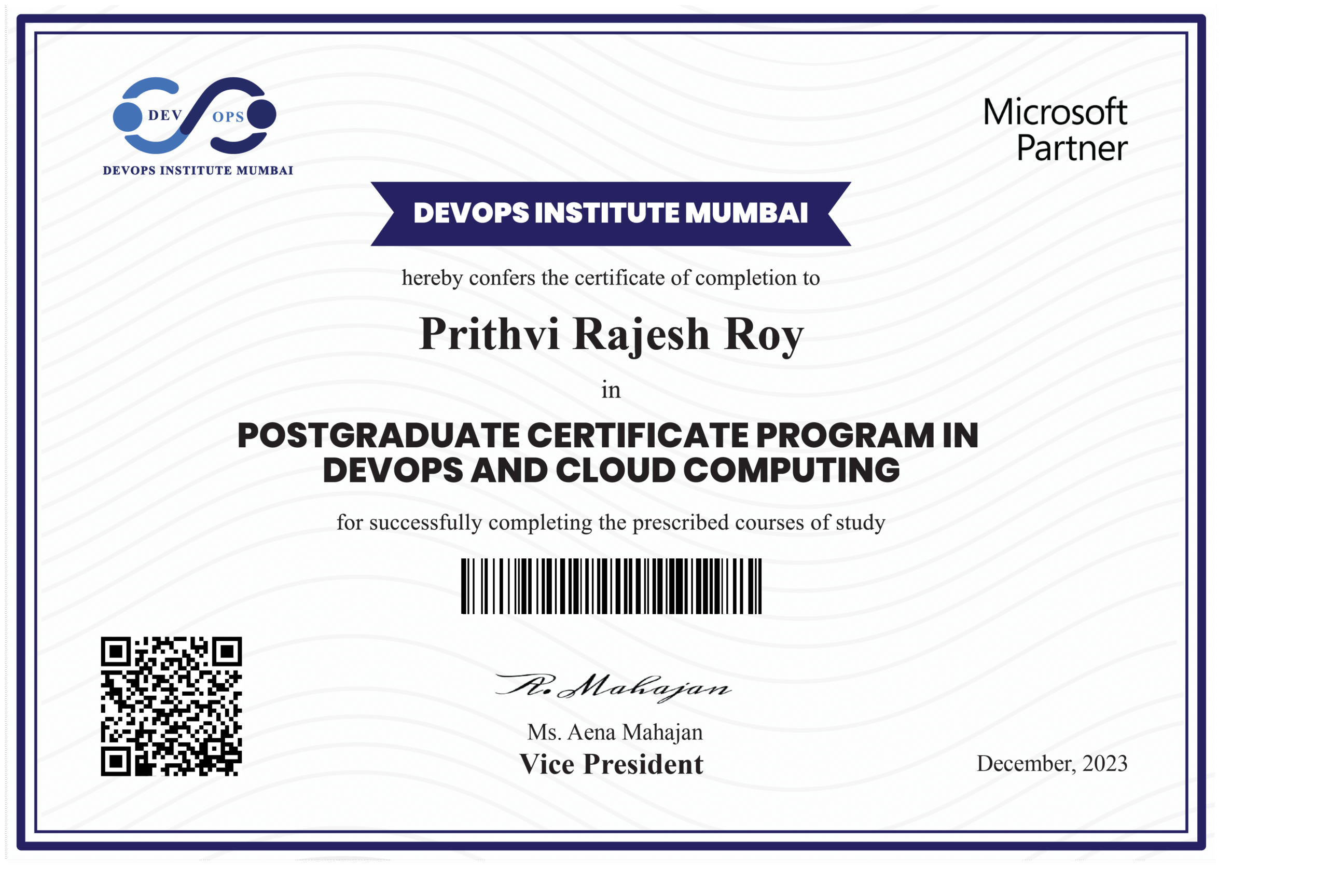
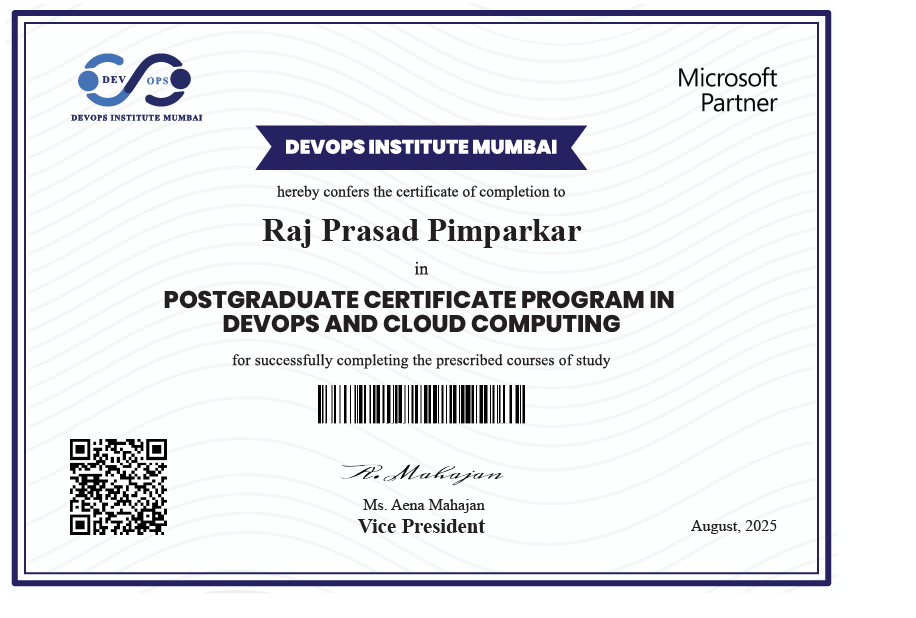
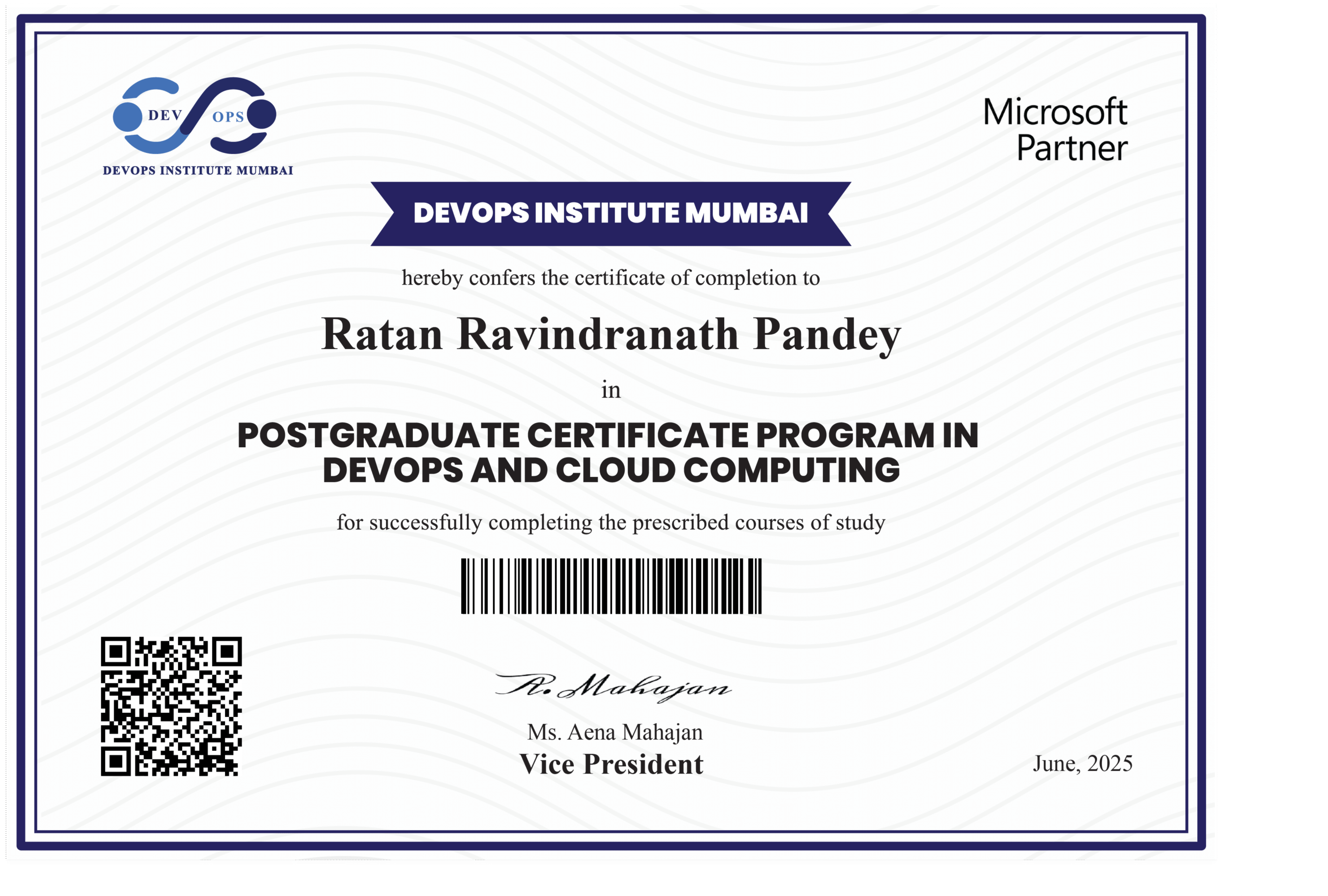
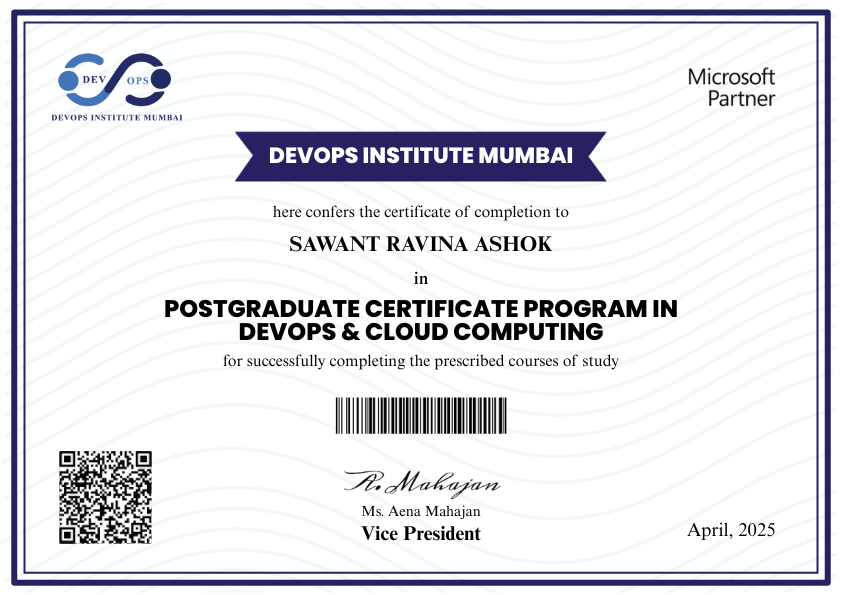
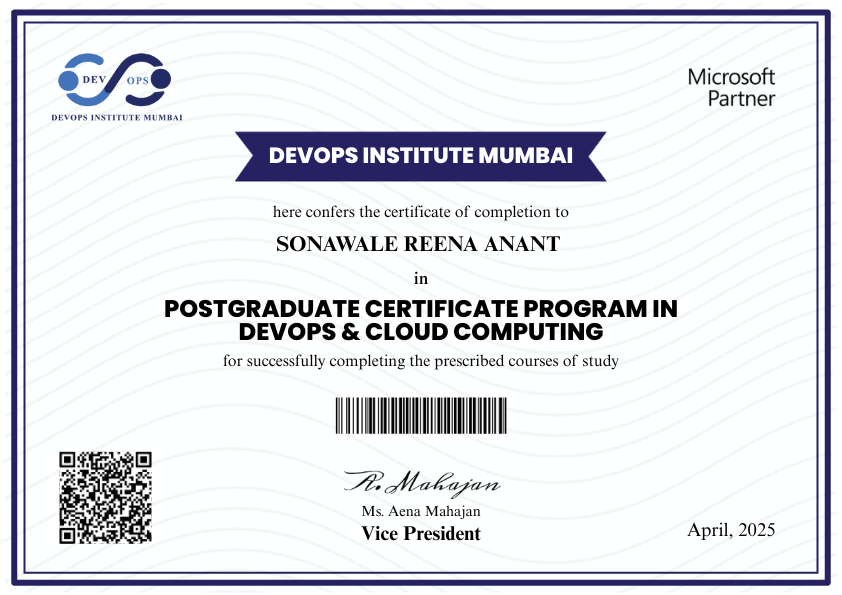
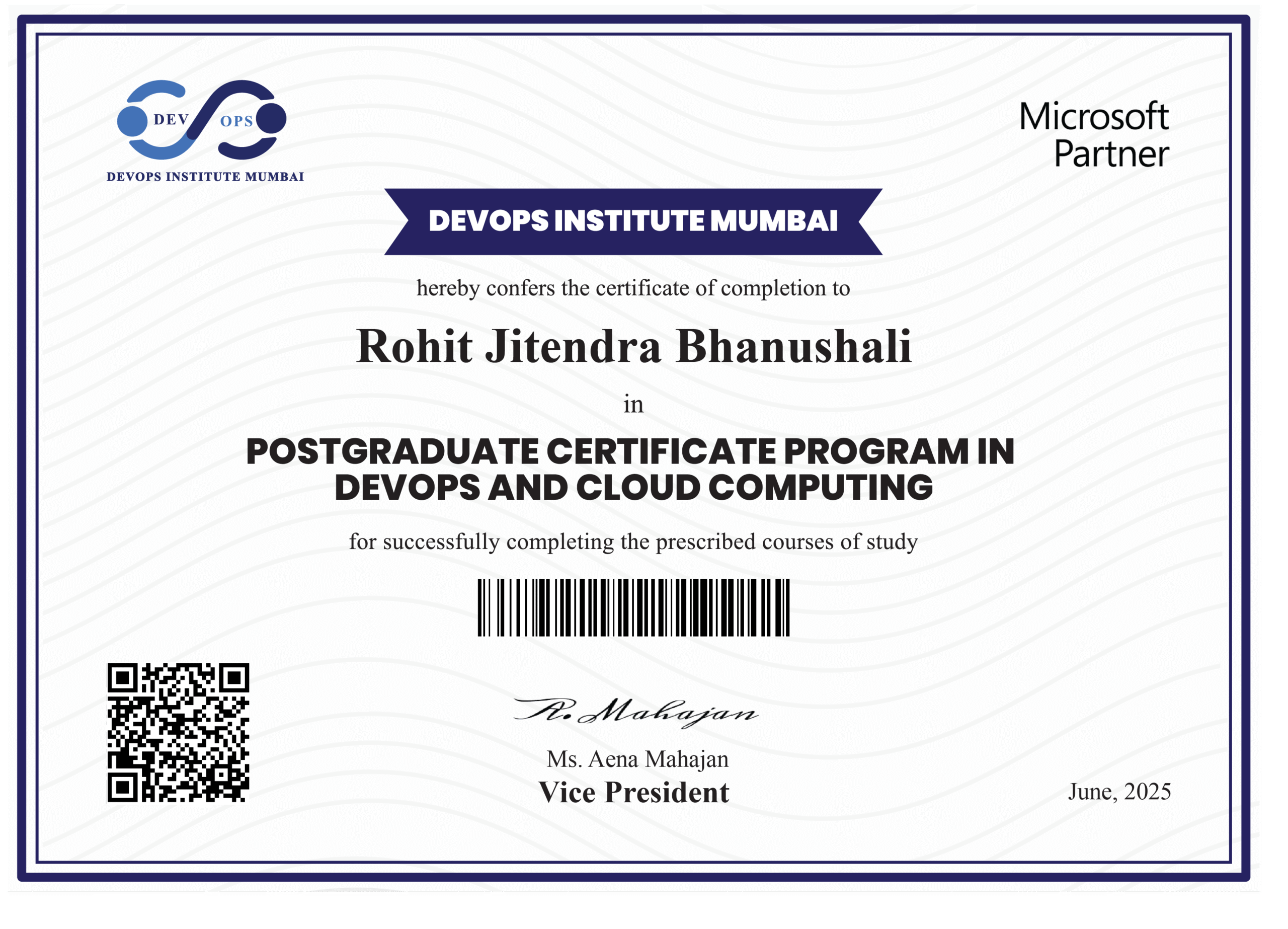
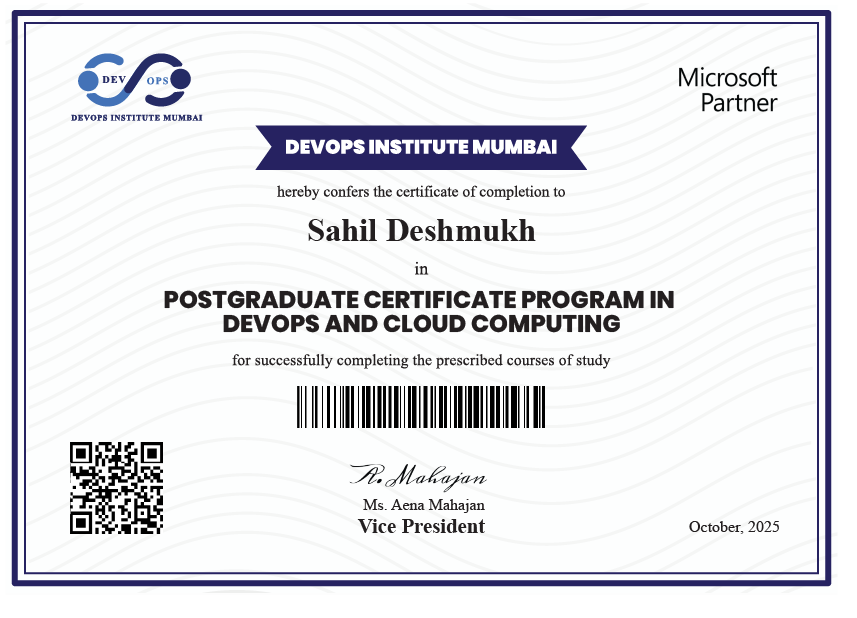
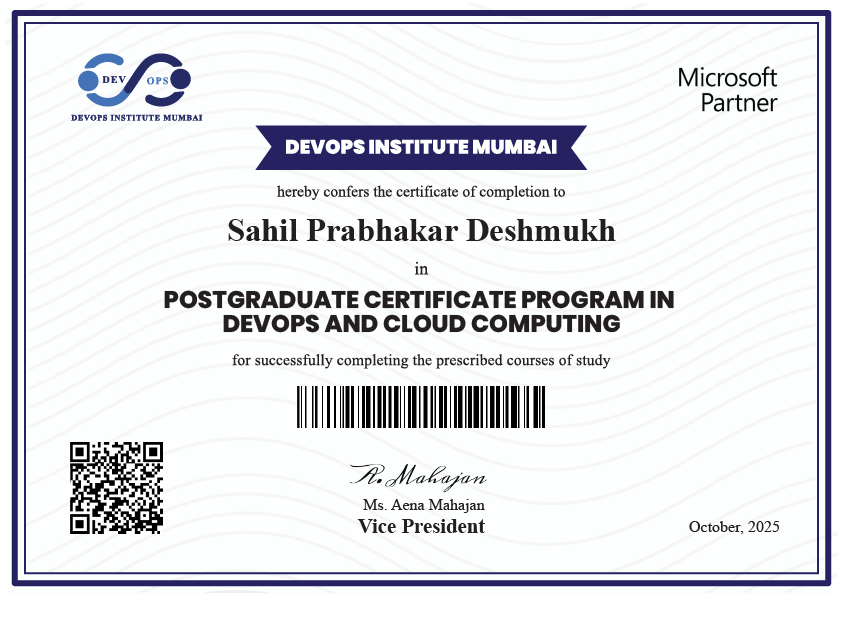
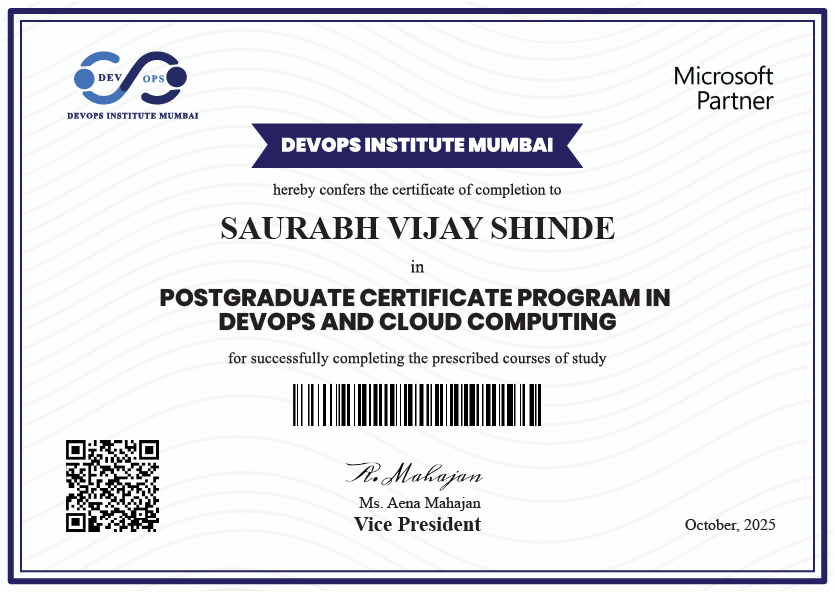
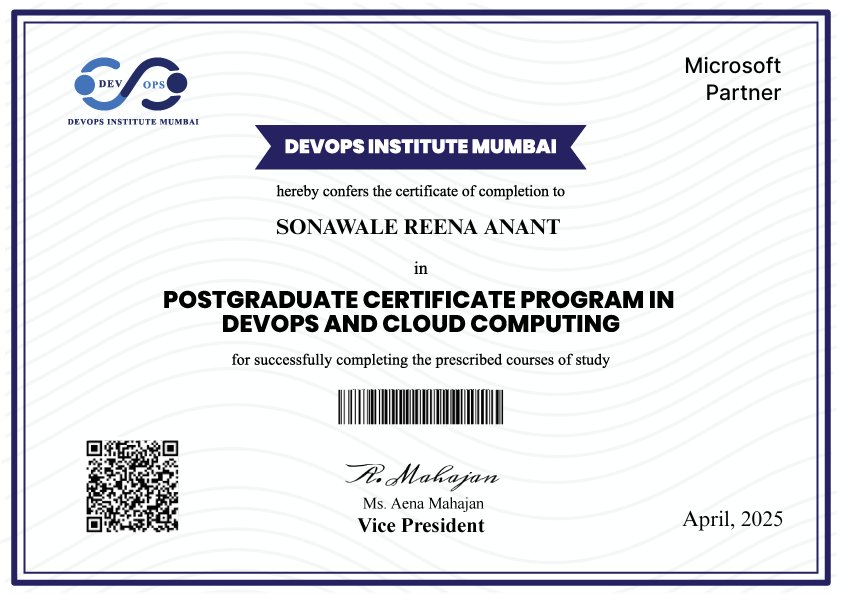
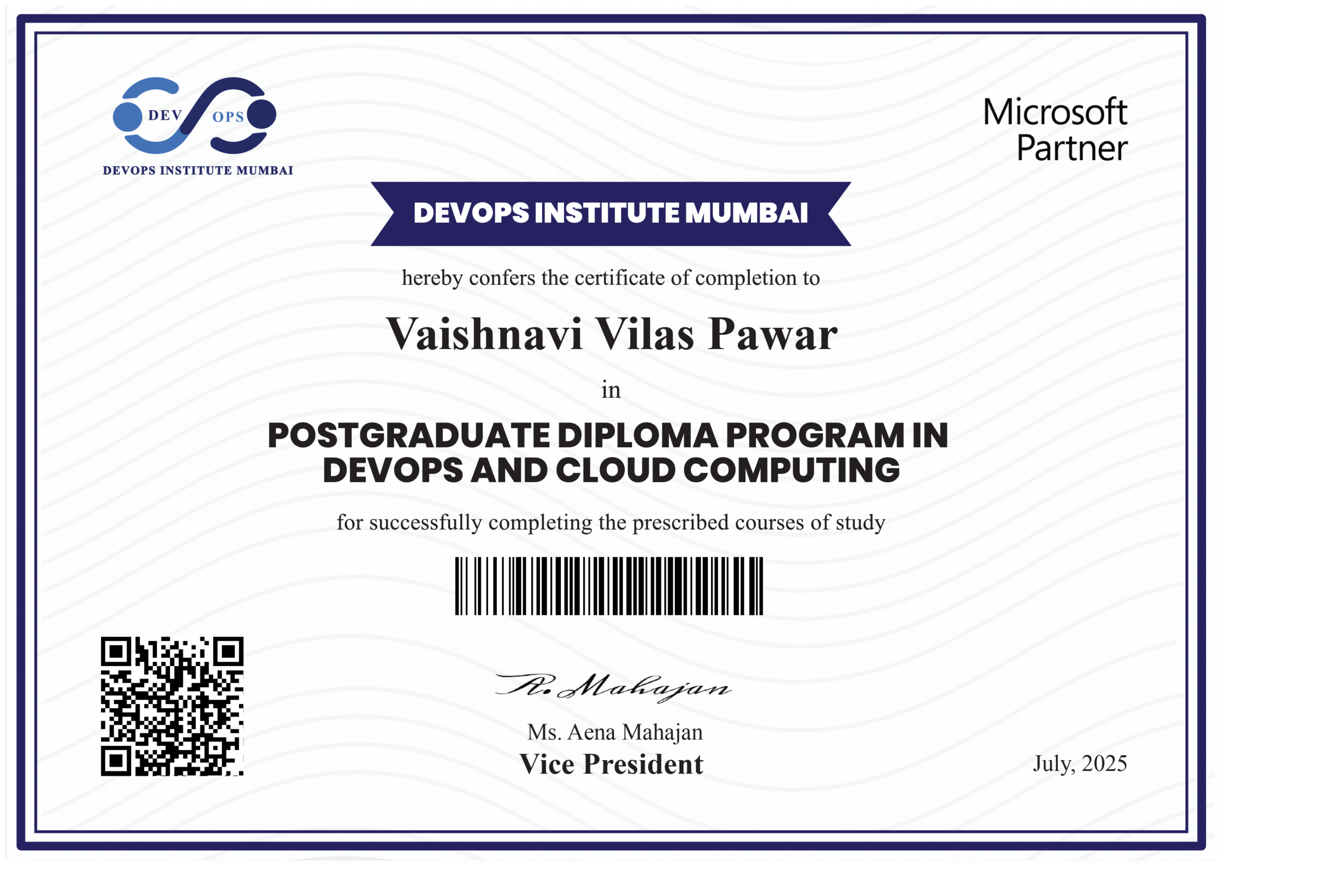
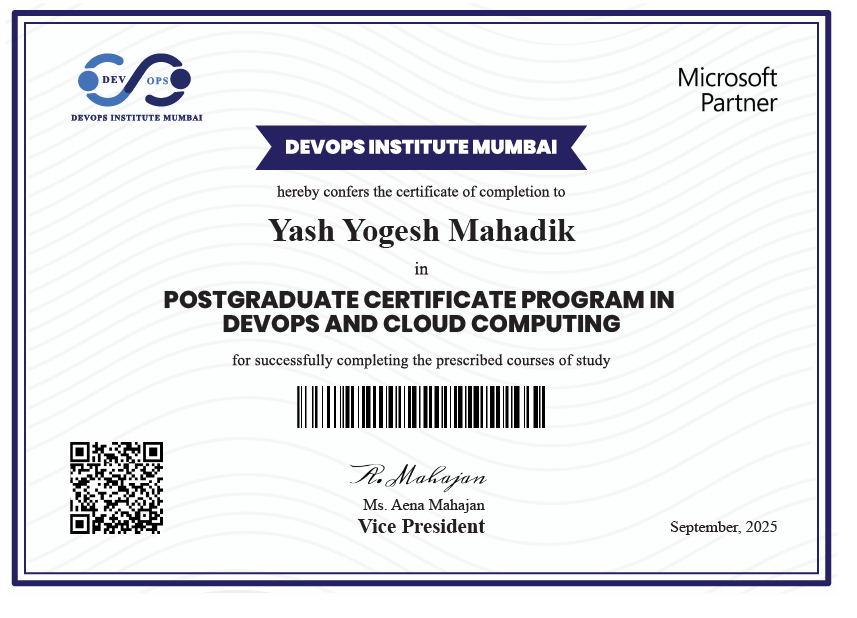
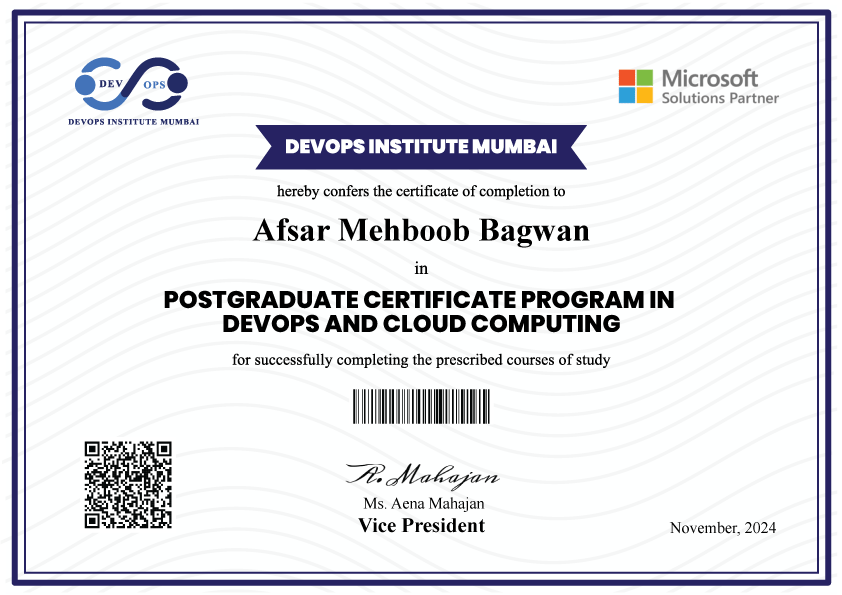
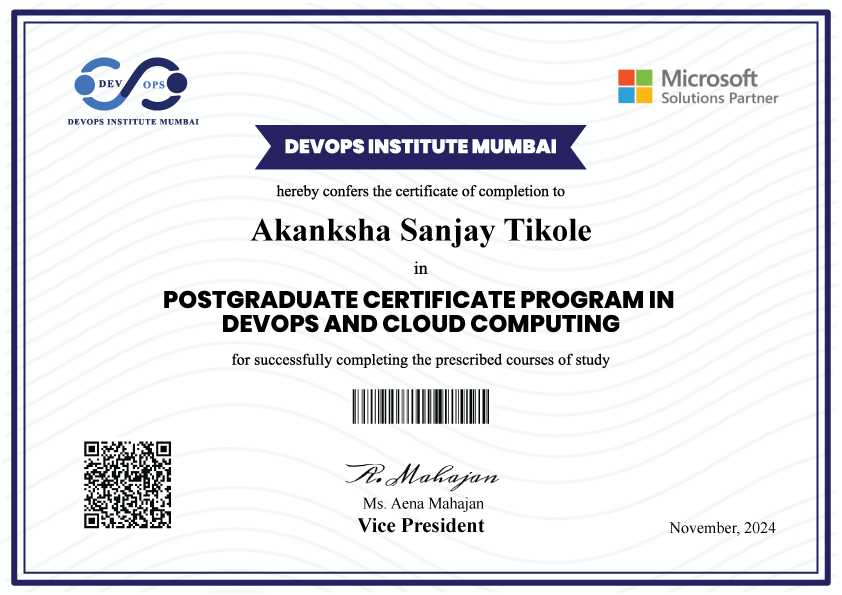
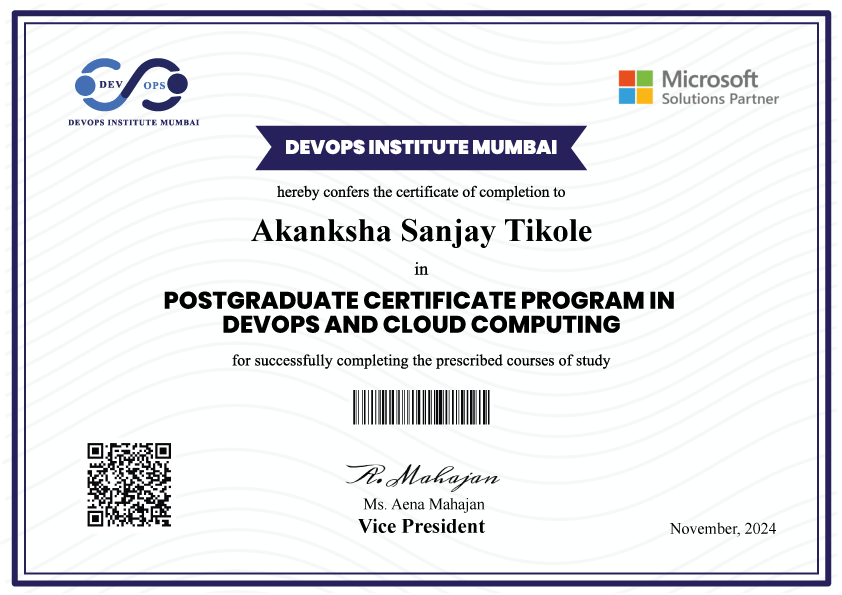
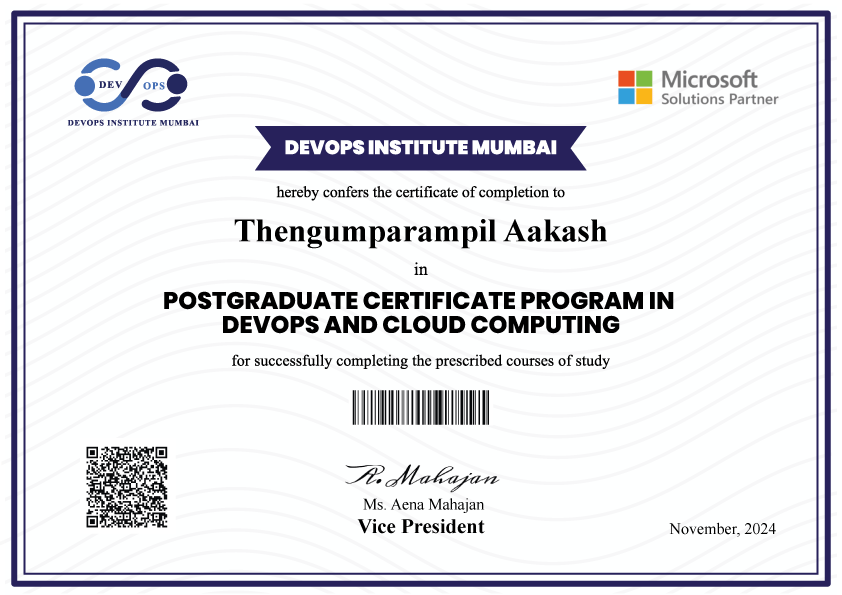
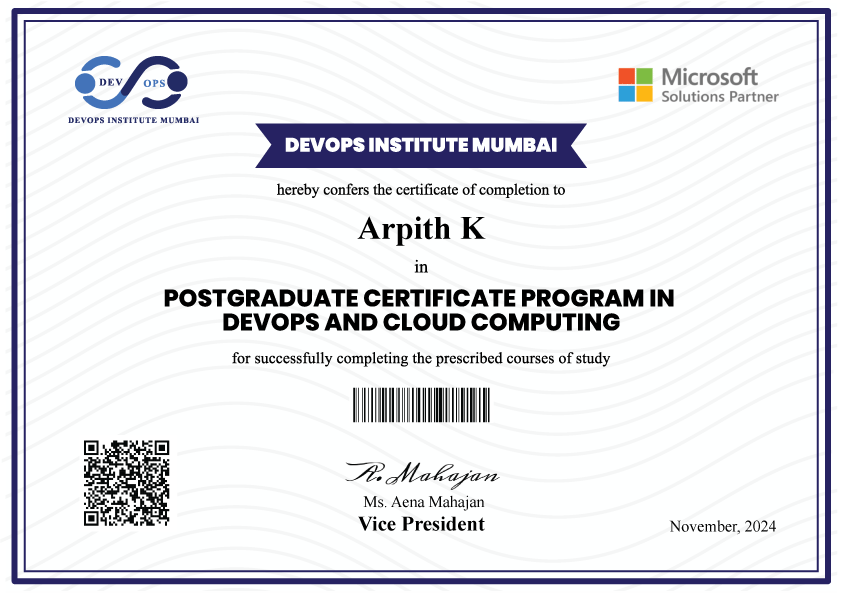
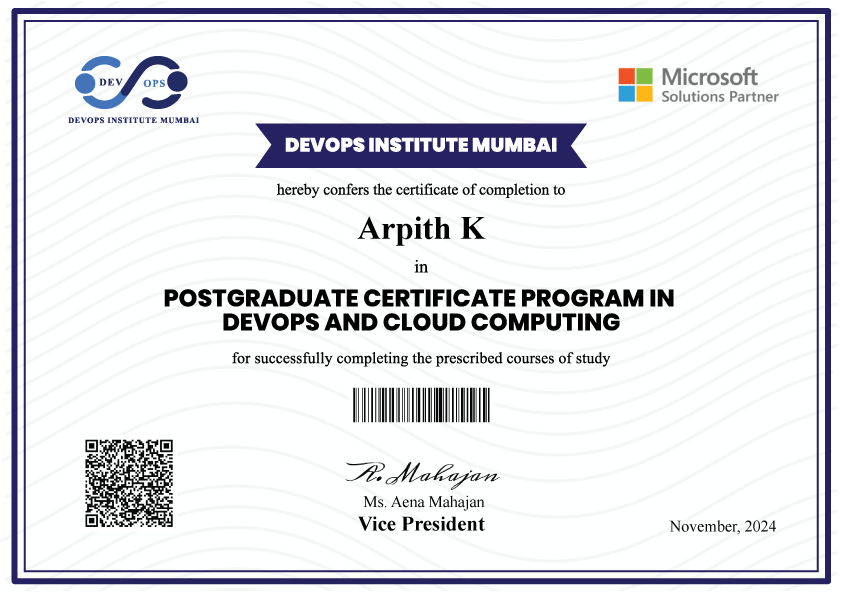
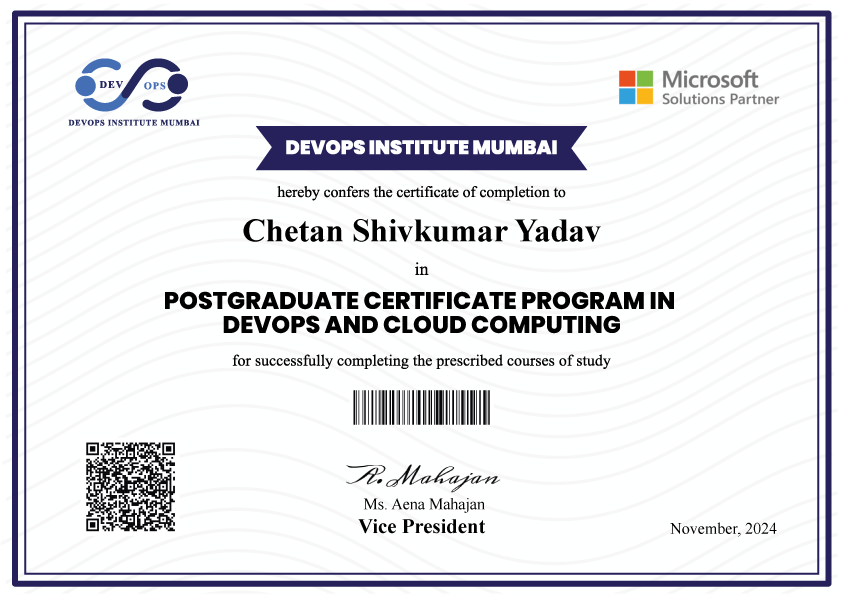
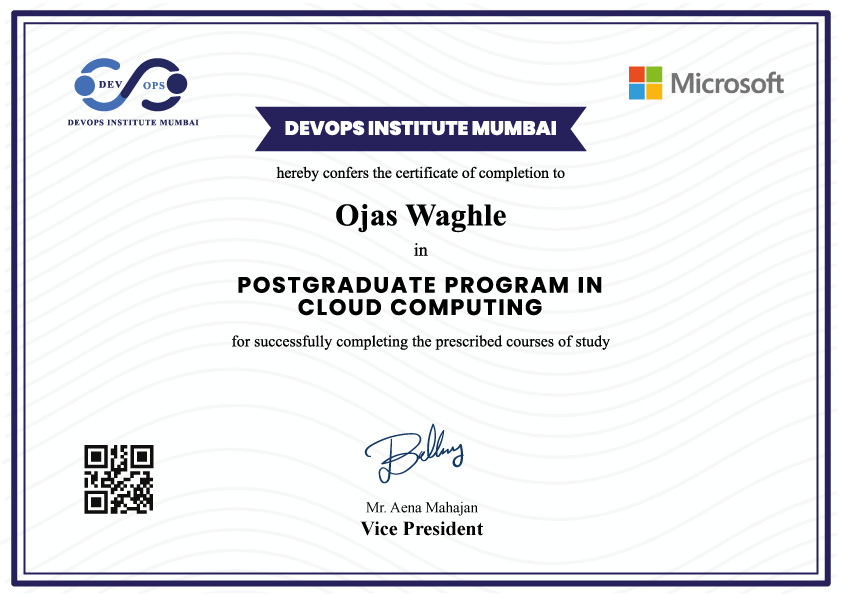
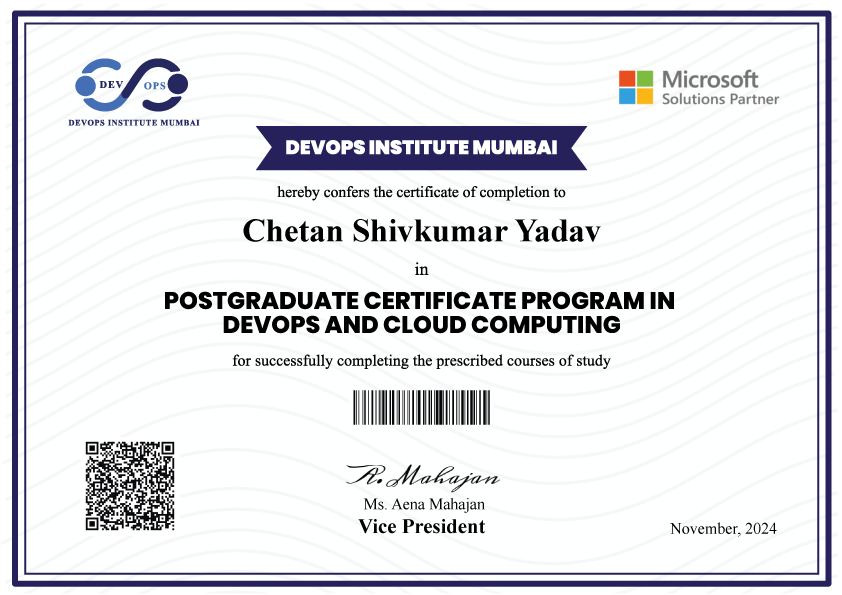
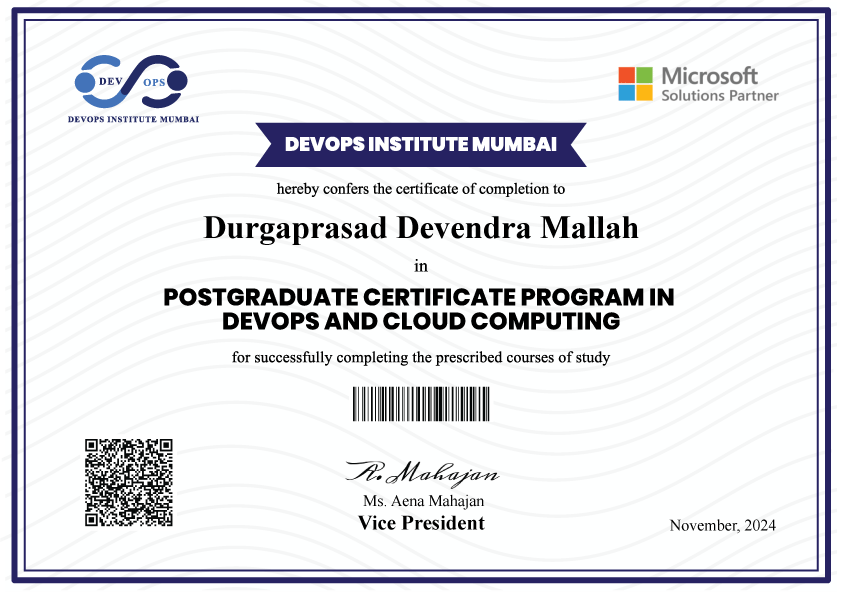
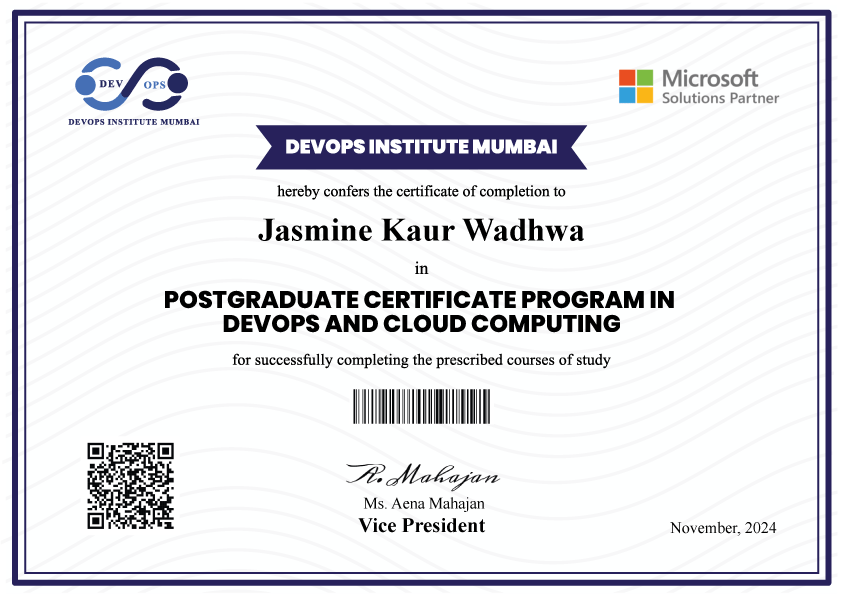
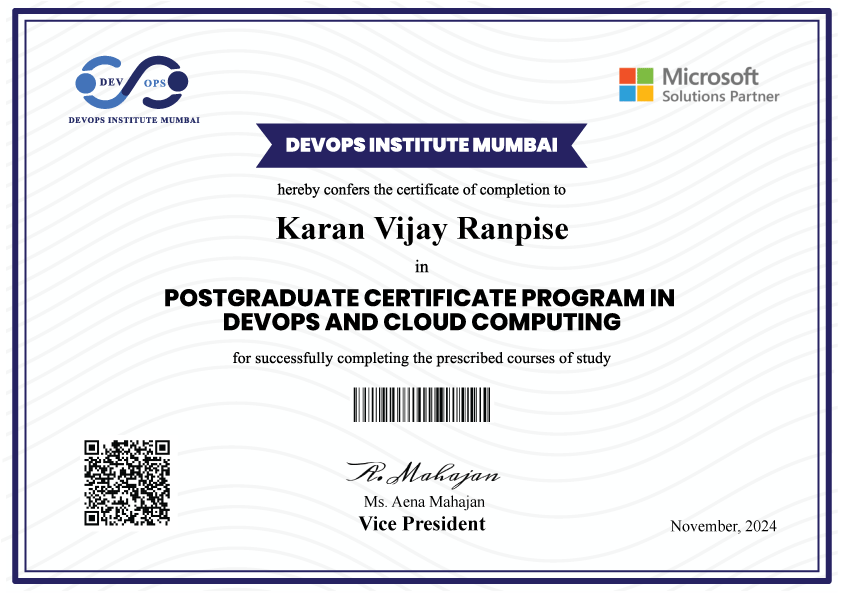
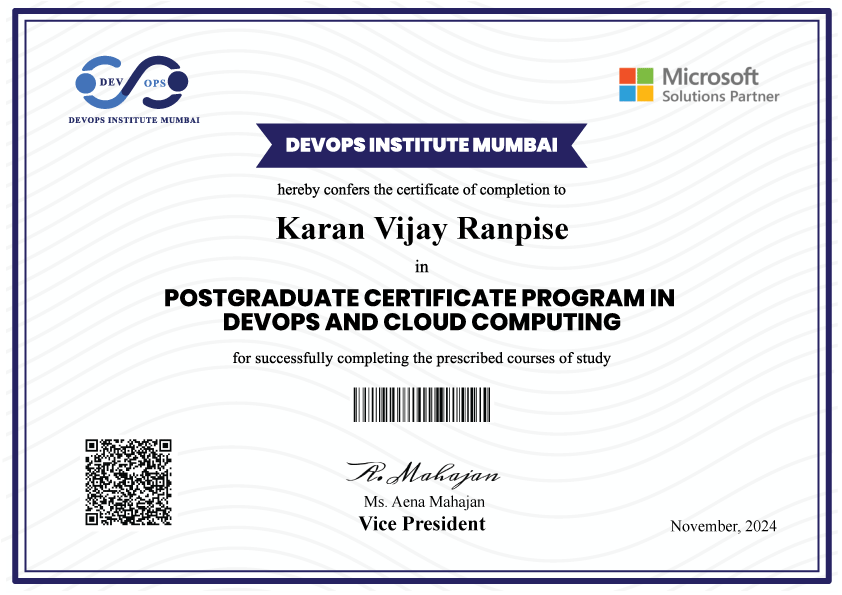
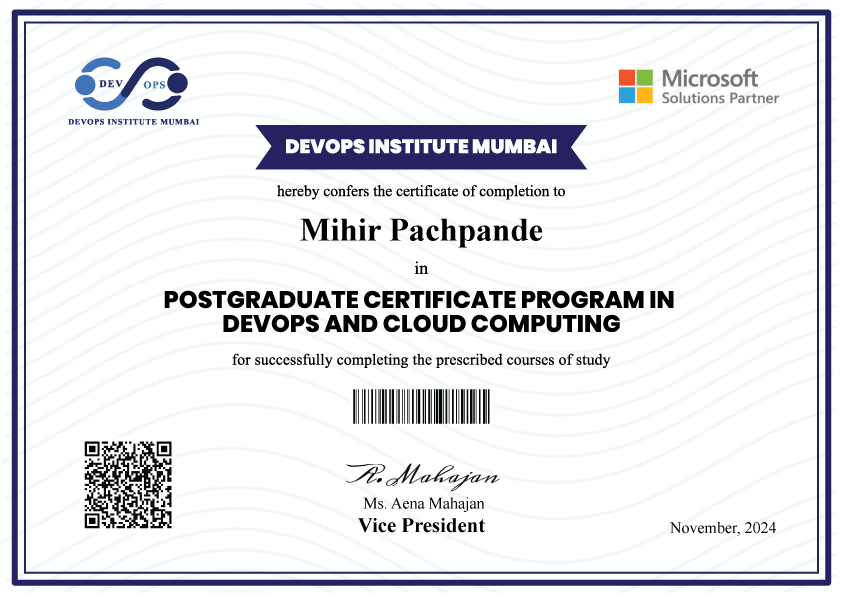
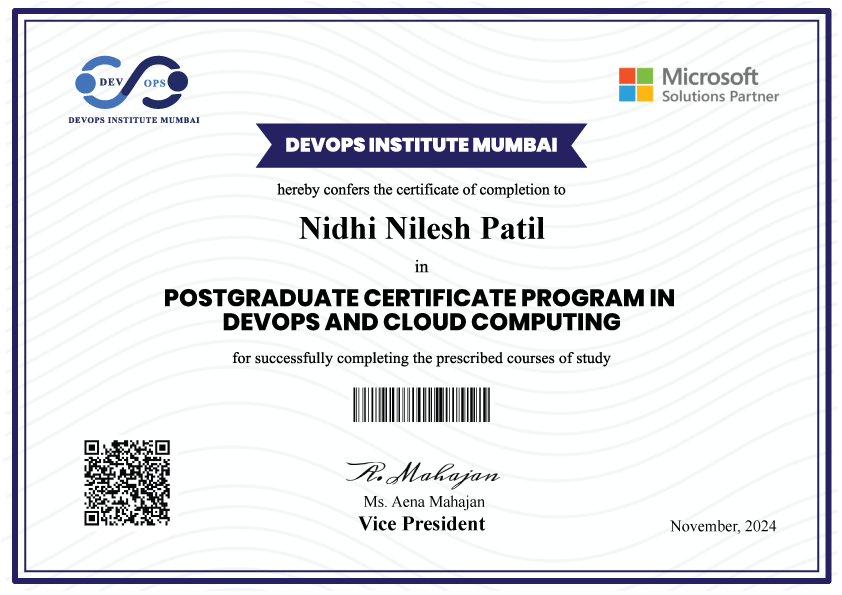
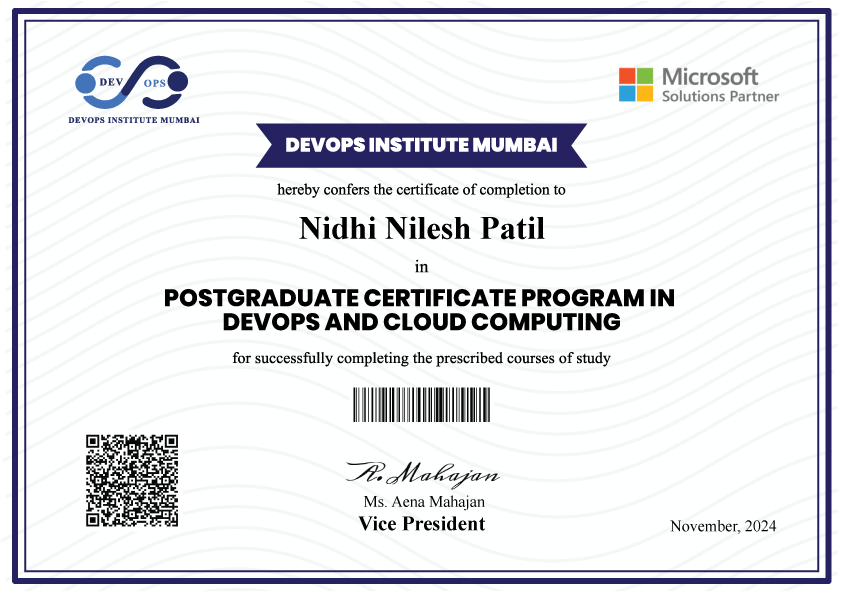
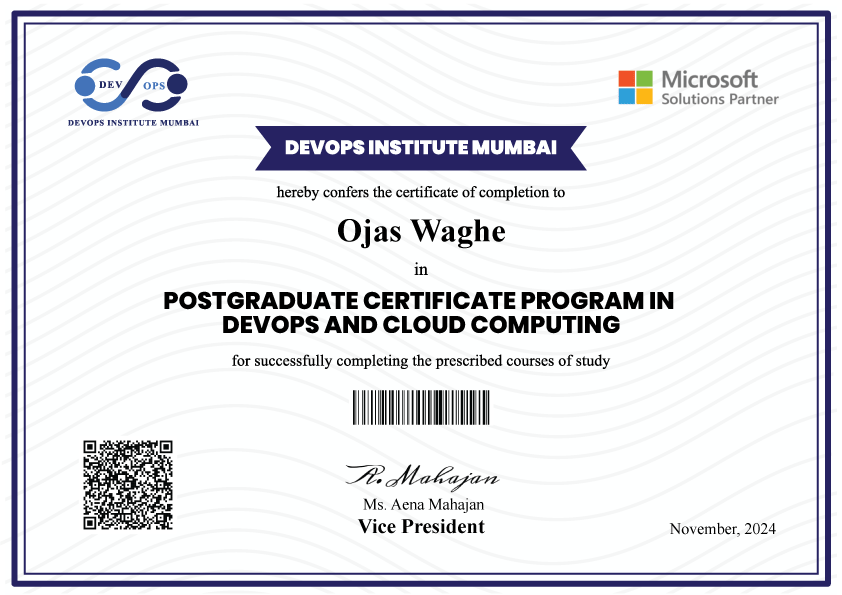
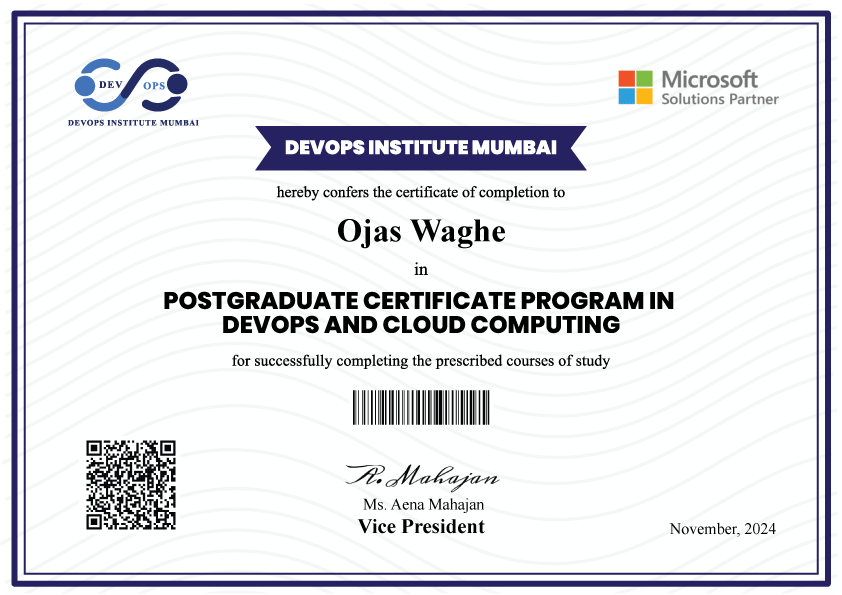
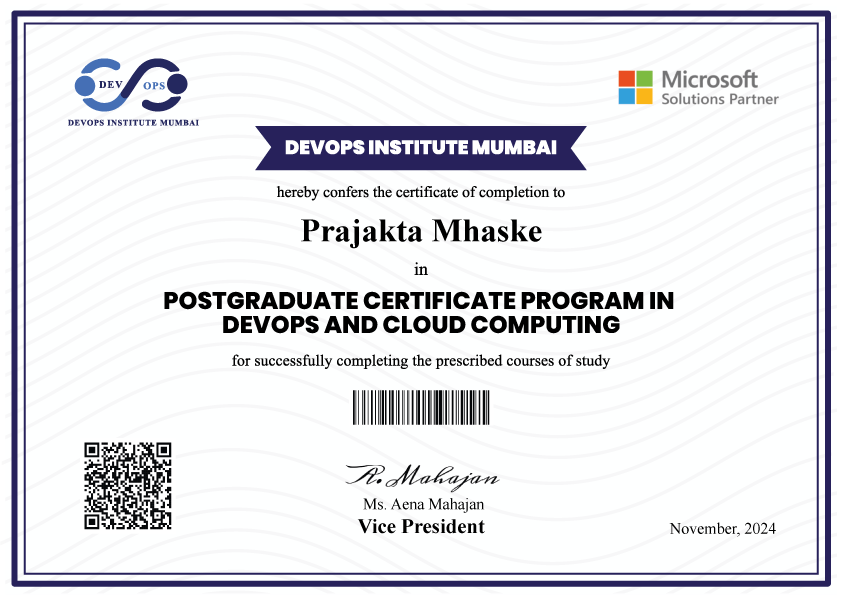
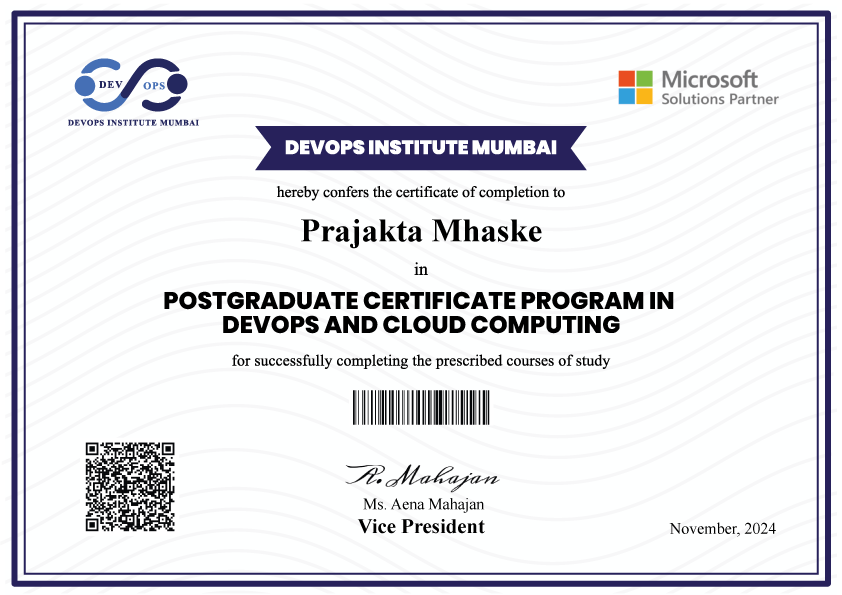
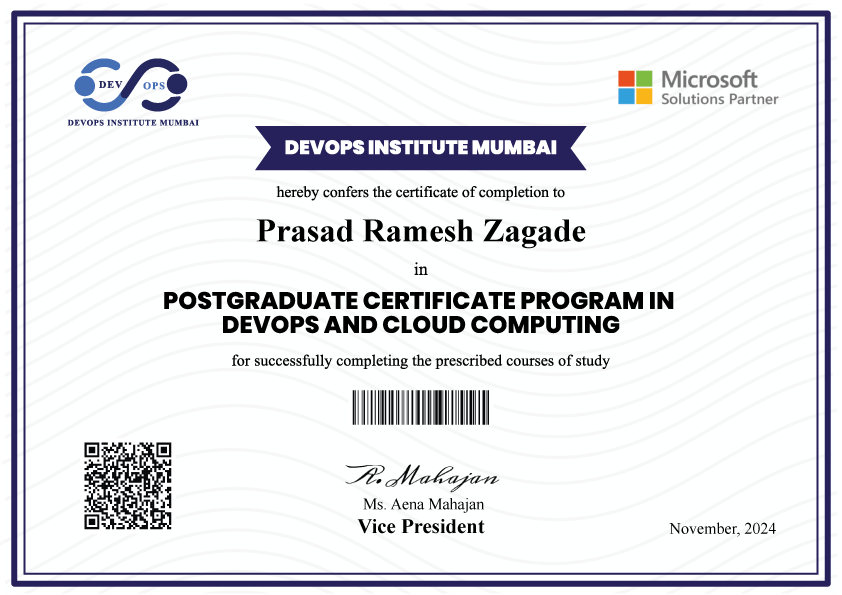
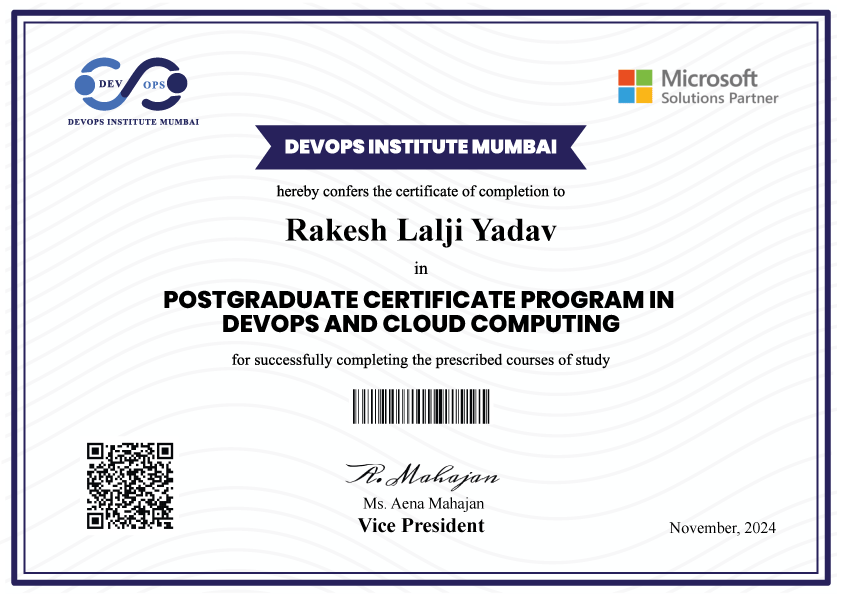
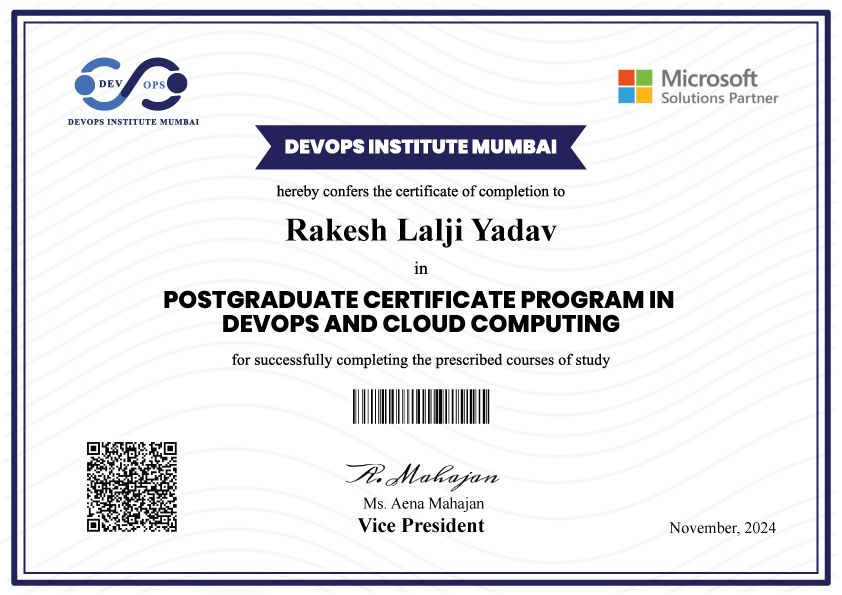
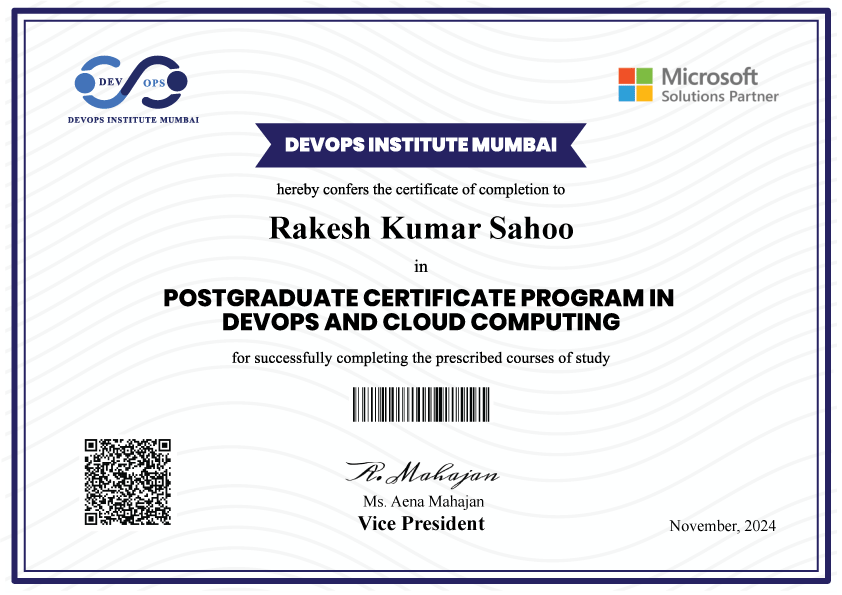
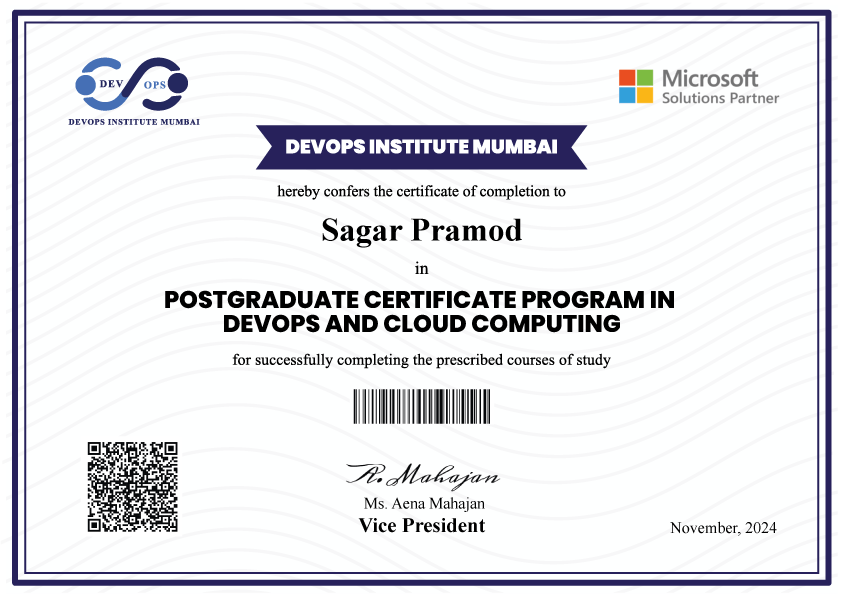
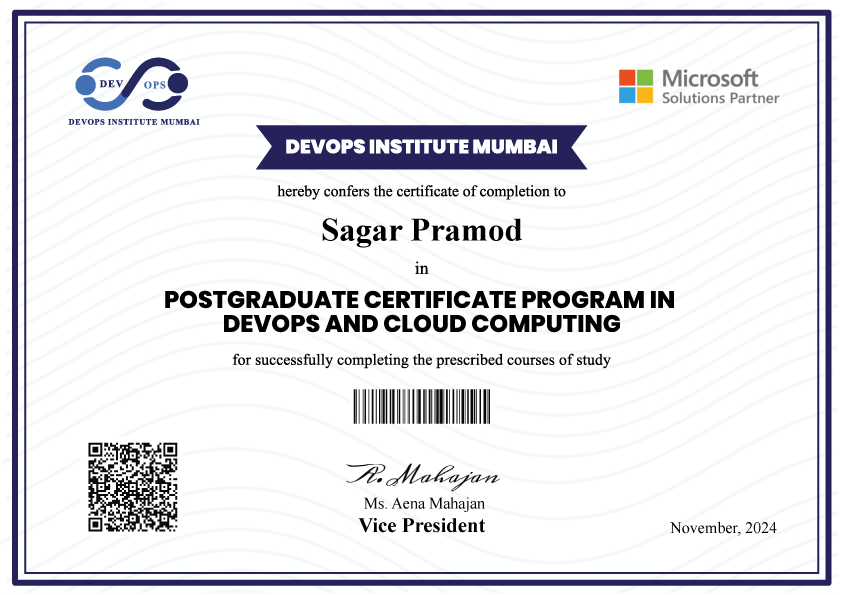
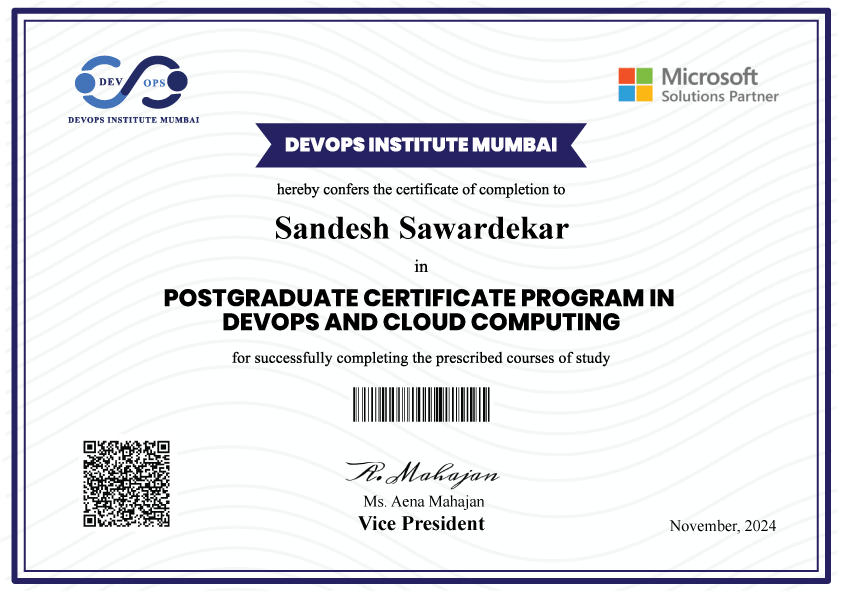
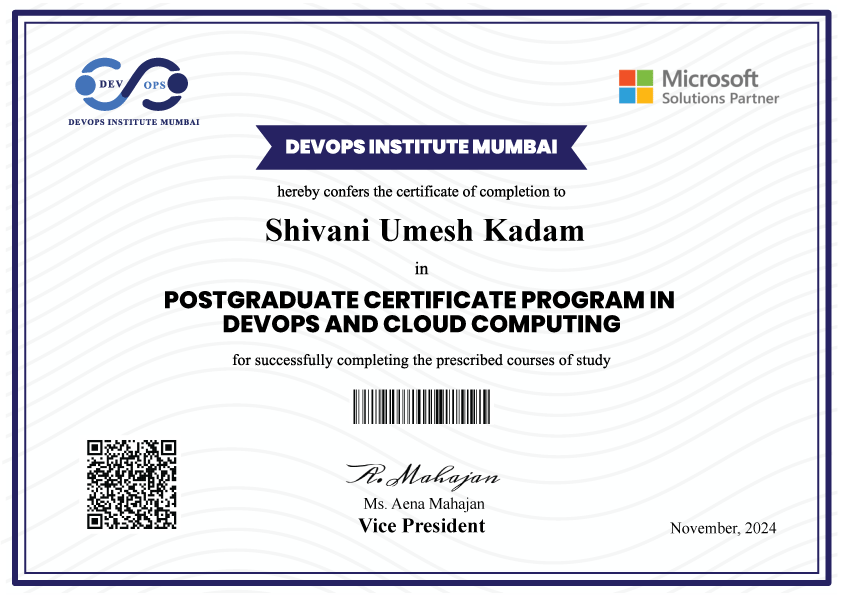
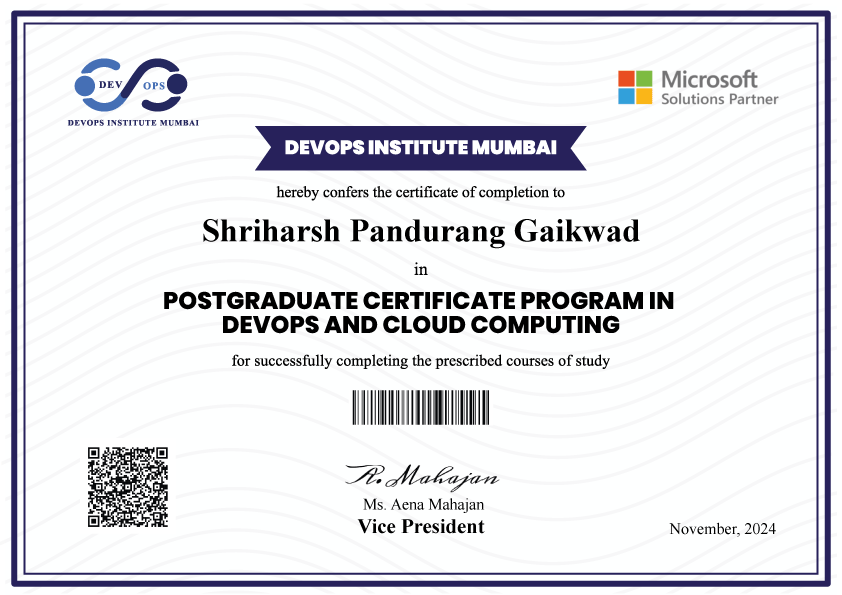
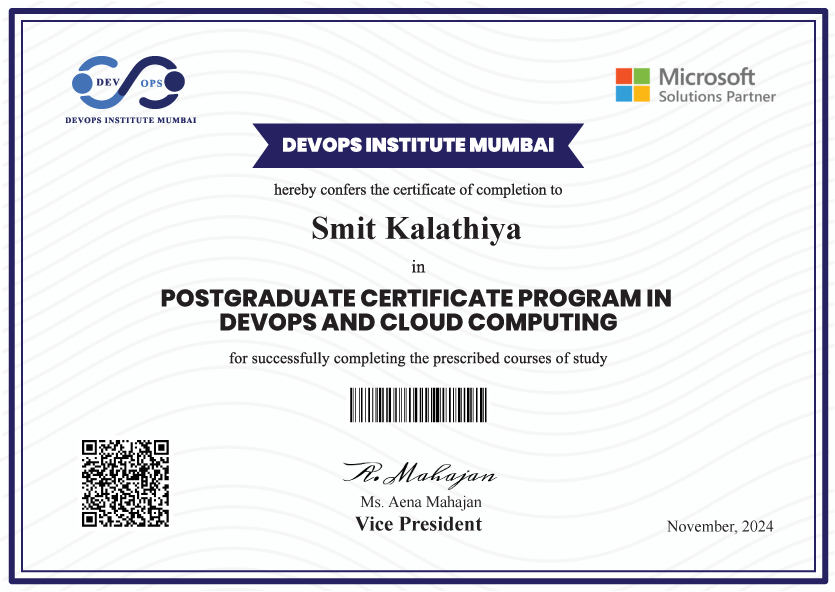
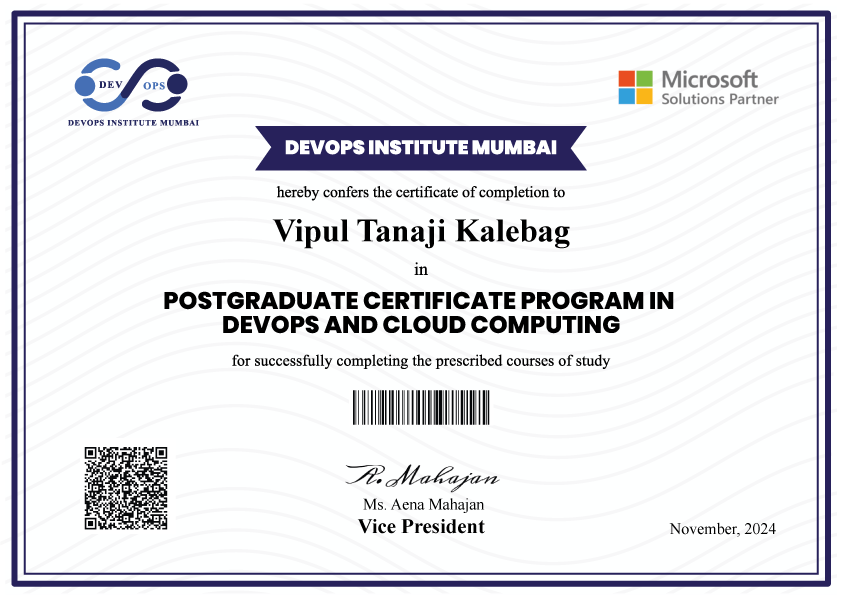
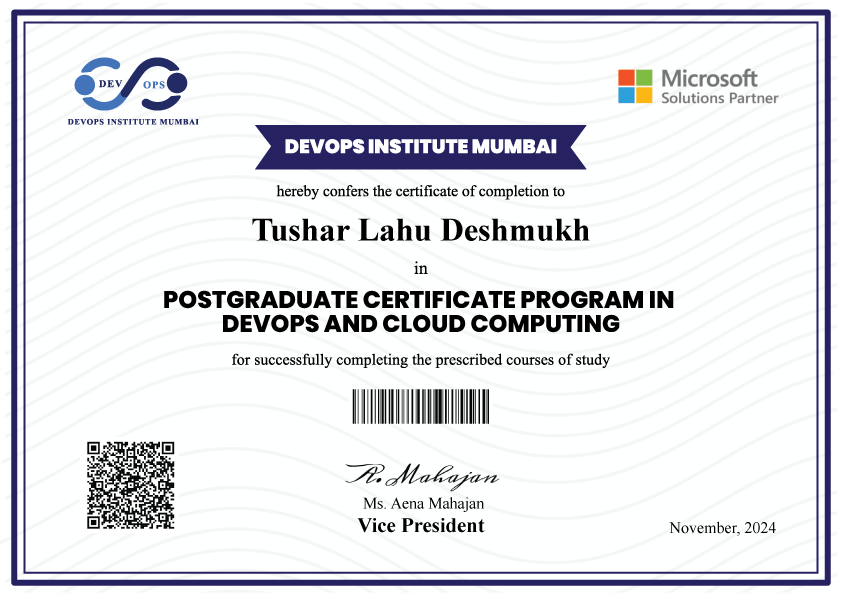
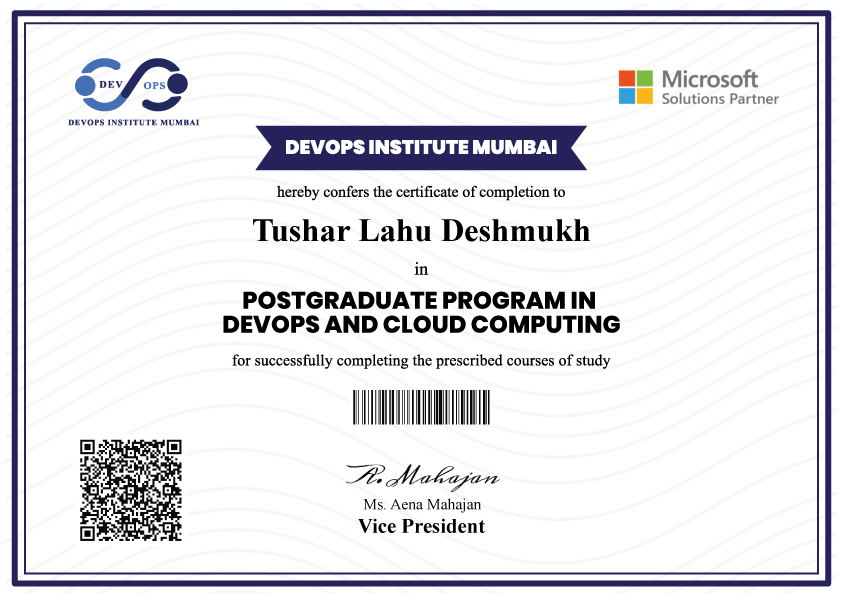
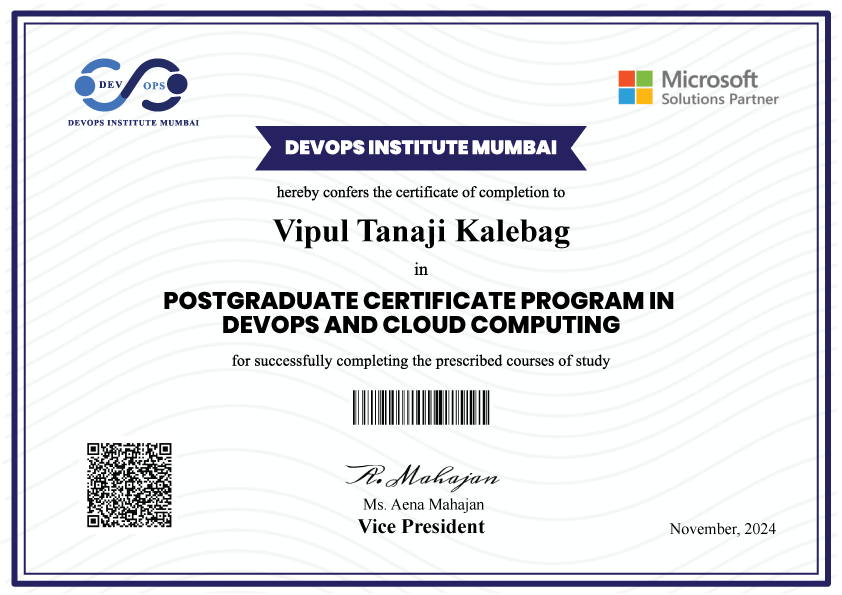
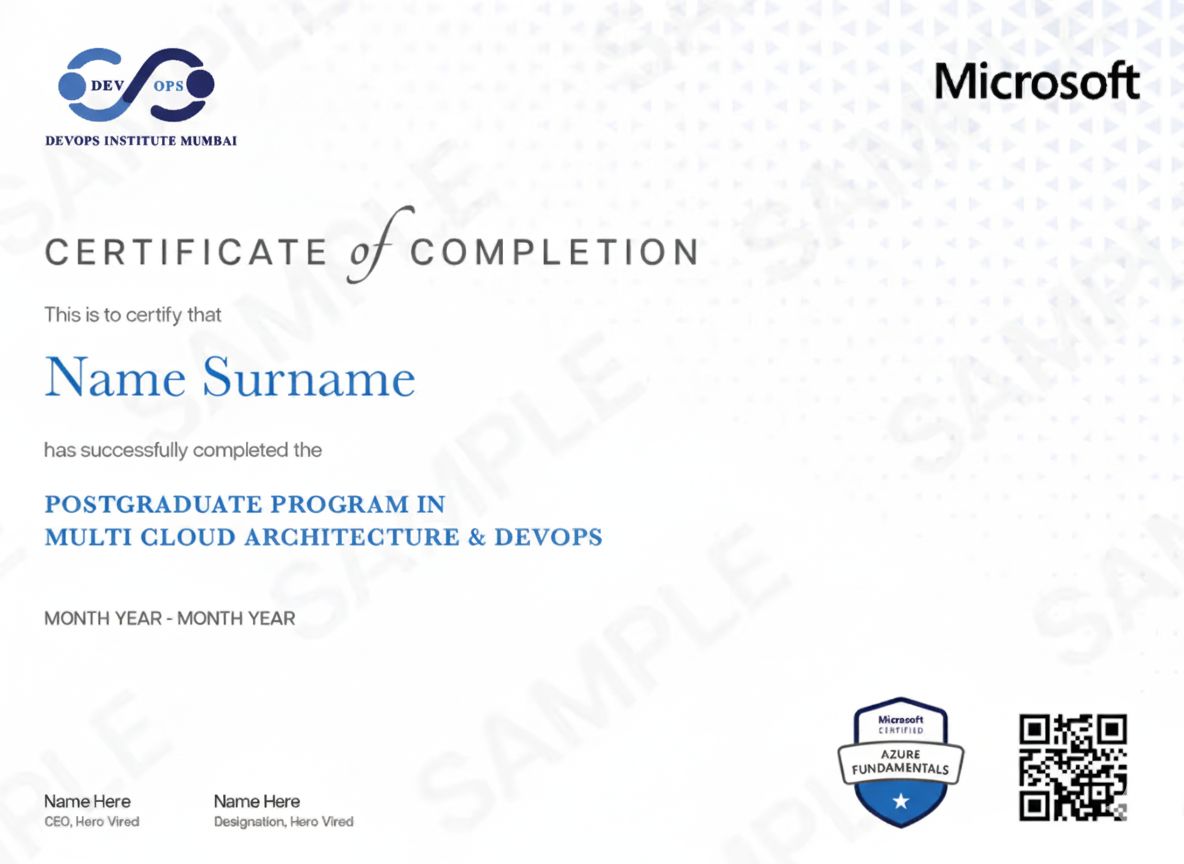
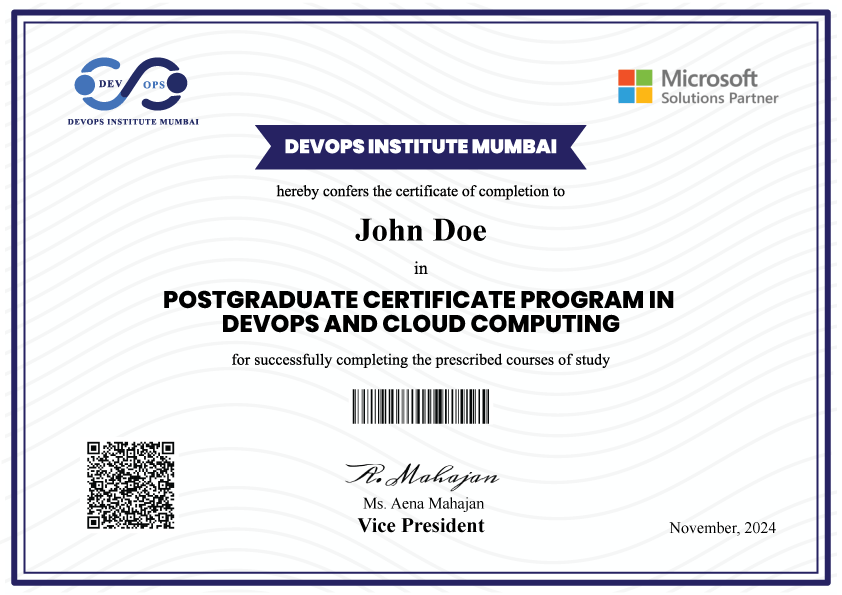
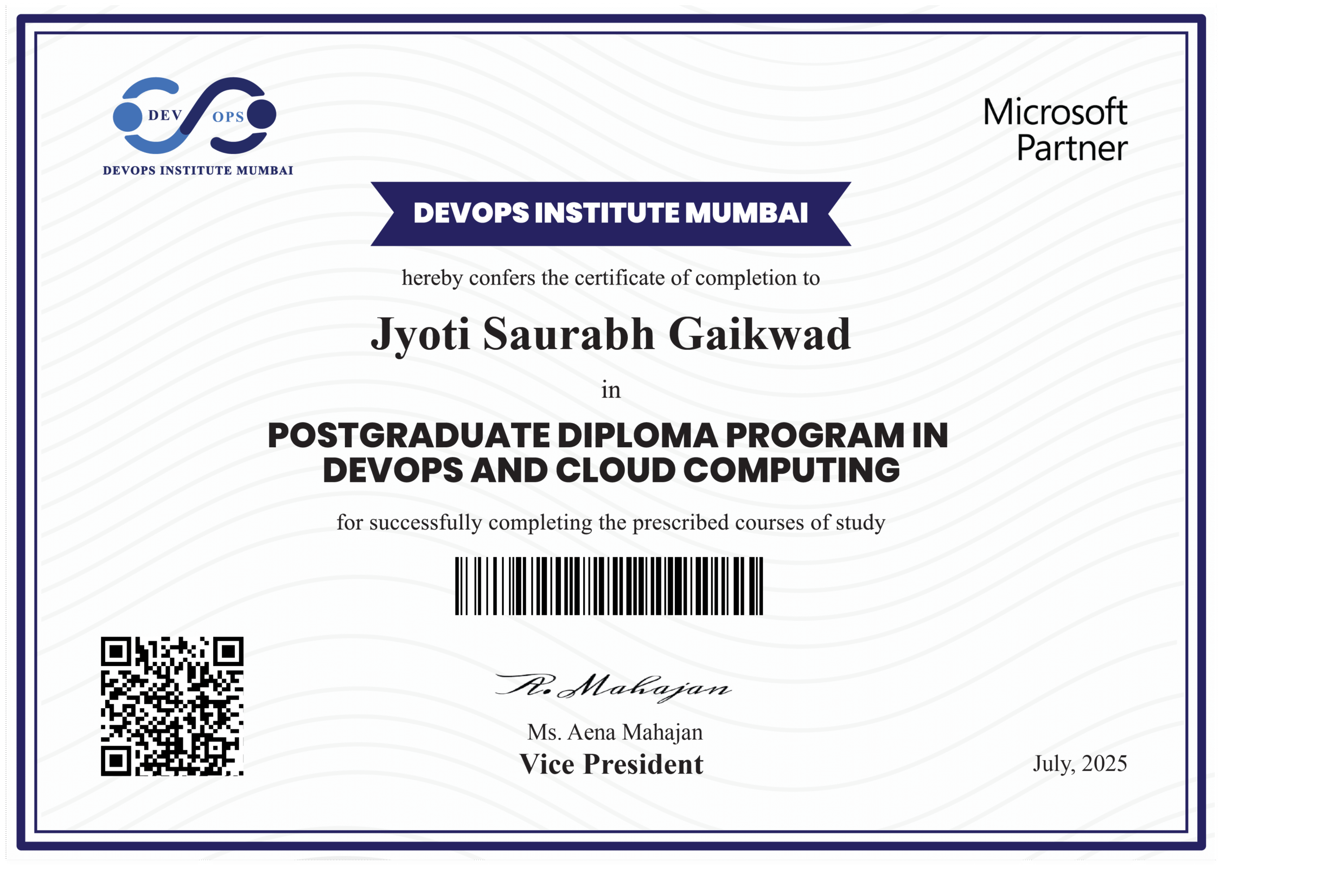
Earn 5+ Industry-Recognised PG Certifications in DevOps

Upon successful completion, you’ll receive a certification that validates your expertise and boosts your career prospects. Join us and take the next step towards achieving your professional goals.

Master DevOps Tools That Run the Industry

Projects That Prove Our Approach

Frequently Asked Questions

Here are honest answers to the most common questions about our program and placement process.

1. What is DevOps, and why is it crucial for IT professionals in Mumbai?

DevOps is a set of practices that combines software development (Dev) and IT operations (Ops) to shorten the systems development life cycle while delivering features, fixes, and updates frequently in close alignment with business objectives.

While prior coding experience is beneficial, it’s not mandatory. Our course is designed to accommodate beginners, providing foundational knowledge and hands-on training in DevOps tools and practices.

The course covers essential DevOps skills, including:
  • Version control with Git
  • Continuous Integration/Continuous Deployment (CI/CD) pipelines
  • Containerization using Docker
  • Orchestration with Kubernetes
  • Infrastructure as Code (IaC) with Terraform
  • Configuration management with Ansible
  • Monitoring and logging with Prometheus and Grafana

Our comprehensive curriculum includes training on industry-standard tools such as:

  • Git, Jenkins, Docker, Kubernetes, Ansible, Terraform, Prometheus, Grafana, AWS, Azure, and more.

The duration of the course varies depending on the program chosen. Typically, courses range from a few weeks to several months, offering both full-time and part-time options to suit different schedules.

While there are no strict prerequisites, a basic understanding of software development concepts and familiarity with Linux commands can be advantageous. Our course is structured to cater to both beginners and professionals seeking to upskill.

Graduates of our DevOps Engineering course can pursue various roles, including:

  • DevOps Engineer
  • Automation Engineer
  • Release Manager
  • Site Reliability Engineer (SRE)
  • Cloud Engineer

Yes, our institute offers placement assistance to help students secure job opportunities in leading IT companies. This includes resume building, interview preparation, and job referrals.

Yes, we offer demo sessions to give prospective students a glimpse of our teaching methodology and course content. Please contact us to schedule a demo session.

The average salary for DevOps professionals in Mumbai varies based on experience and role. Entry-level positions may start at ₹6–8 LPA, while experienced professionals can earn ₹15 LPA or more.

Scroll to Top